
The Complete Guide to Choosing a Branded Carrying Bag for Your Organisation
Discover how to choose the right branded carrying bag for your business or event. Expert tips on styles, decoration, MOQs & budgeting.

Written by
Oscar Tanaka
Bags & Totes
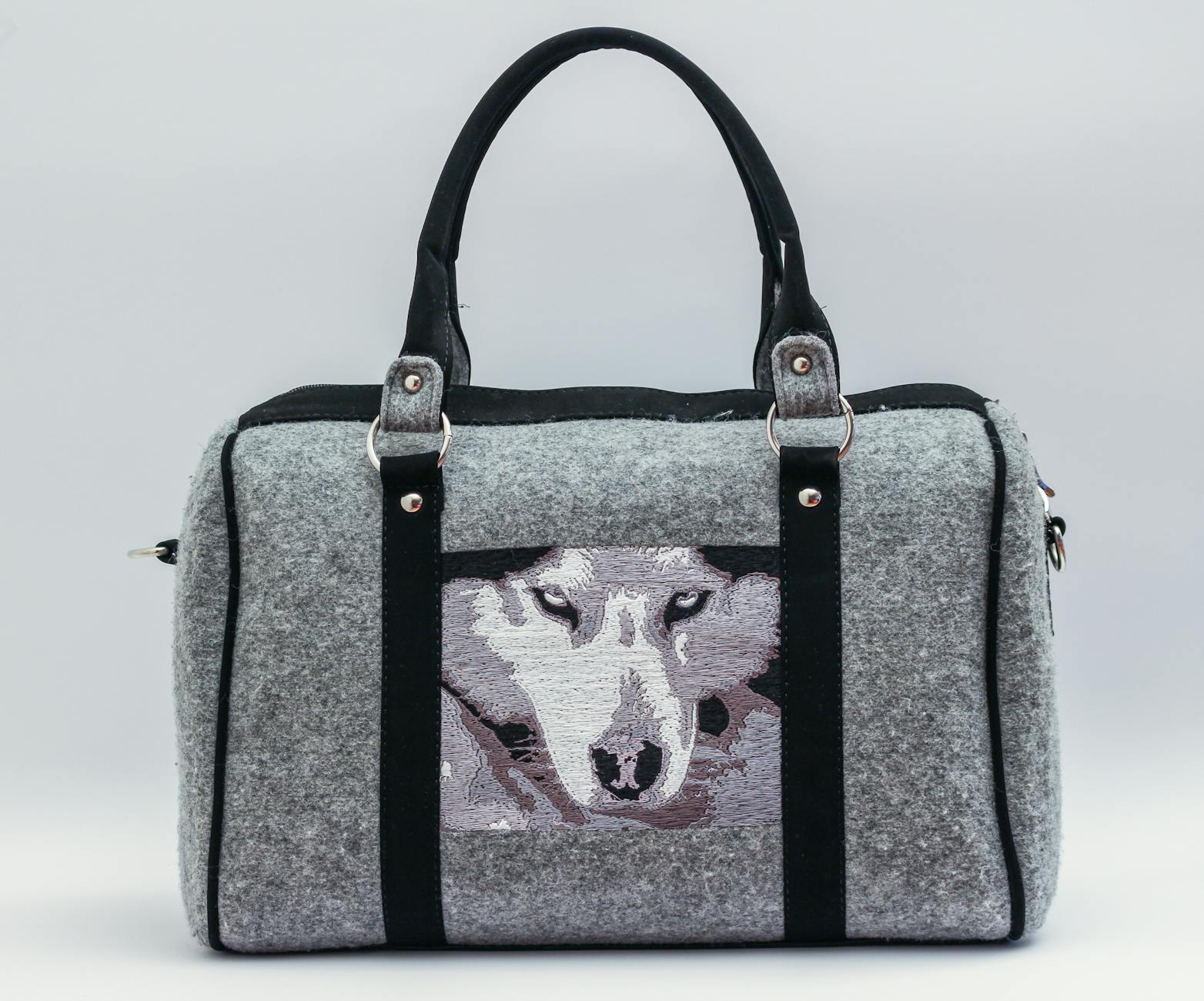
When it comes to promotional merchandise that people actually use, few items match the everyday practicality of a well-chosen carrying bag. Whether you’re equipping delegates at a Sydney conference, gifting clients in Melbourne, or kitting out volunteers at a community event on the Gold Coast, a branded carrying bag offers something most promotional products can’t — repeated, organic brand exposure. Every time your recipient heads to a meeting, a market, or the local café, your logo travels with them. It’s walking advertising in the most natural sense of the word. But choosing the right carrying bag for your organisation involves more than simply picking something that looks good. Style, material, decoration method, minimum order quantity, and budget all play a role — and getting these decisions right from the start can save you significant time, money, and frustration.
Why the Carrying Bag Remains a Promotional Powerhouse
The branded bag category has evolved enormously over the past decade. What was once a simple cotton tote stuffed into a delegate pack has expanded into a sophisticated range of options spanning totes, backpacks, satchels, cooler bags, drawstring bags, duffel bags, and beyond. Australian businesses, schools, and organisations of all sizes have embraced carrying bags as a go-to merchandise item — and for good reason.
Research consistently shows that bags generate some of the highest impressions per item in the promotional products world. A reusable bag used weekly in Brisbane or Perth will be seen by dozens of people each outing. Over the course of a year, that single item can deliver thousands of brand impressions — a cost-per-impression figure that most digital advertising channels can’t compete with.
Beyond the numbers, carrying bags carry a practical benefit that recipients genuinely appreciate. Unlike a branded pen that might sit in a drawer, or a USB drive that loses relevance as technology evolves, a good-quality bag meets a real everyday need. This perceived value elevates your brand in the recipient’s mind, associating your organisation with utility and thoughtfulness.
Understanding the Different Types of Branded Carrying Bags
Before you start requesting quotes, it’s worth mapping out the different carrying bag styles available and matching them to your intended audience and use case.
Tote Bags
The humble tote bag remains one of the most popular choices across the board. They’re affordable, lightweight, and work equally well for trade shows, retail promotions, schools, and corporate gifting. Cotton canvas and non-woven polypropylene are the most common materials, with the former offering a more premium feel and the latter being highly cost-effective for large event runs.
If your organisation is focused on sustainability, you might explore reusable grocery bag options that double as branded merchandise — a choice that aligns your brand with positive environmental values.
Satchel Bags
For a more professional, office-oriented carrying bag, satchels are an excellent choice. These structured bags typically feature multiple compartments, laptop sleeves, and a polished aesthetic that suits corporate gifting, conference delegates, and staff onboarding packs. If you’re exploring this style, our detailed guide to satchel bags covers everything from material selection to decoration options.
Backpacks
Backpacks are among the highest-perceived-value items in the bag category. They suit school campaigns, university orientation weeks, outdoor events, and corporate programs where you want recipients to feel genuinely valued. A well-branded backpack in Canberra government departments or Adelaide corporate offices will see regular use and generate consistent brand impressions.
Cooler and Insulated Bags
For food industry clients, sporting clubs, or summer event activations, insulated cooler bags are a standout choice. They solve a practical problem — keeping food and drinks cool — while showcasing your brand prominently. If you’re also considering branded drinkware to complement the cooler bag, take a look at our guide to insulated cups for coffee for ideas that pair well together.
Cosmetics and Personal Carry Bags
Smaller, purpose-specific carrying bags like cosmetics bags are ideal for healthcare organisations, beauty brands, wellness programmes, and women’s events. These are personal, regularly used items that keep your brand front-of-mind at home. Our resource on personalised cosmetics bags dives deeper into the customisation options available in this niche.
Lunch Bags
Branded lunch bags have grown in popularity for employee gifting, school programmes, and health promotion campaigns. A quality insulated lunch bag is something recipients use daily — making it a high-retention, high-visibility item. For more on this category, explore our coverage of stylish lunch bags for work in Australia.
Choosing the Right Decoration Method for Your Carrying Bag
Once you’ve selected a bag style, the next important decision is how your branding will be applied. The decoration method affects both the look of the final product and the cost, so understanding your options is essential.
Screen Printing
Screen printing is the most common decoration method for tote bags and fabric carrying bags. It’s cost-effective at volume, delivers bold and vibrant colours, and is well-suited to large logo or graphic applications. This method works best with simple artwork and limited colour counts, as each colour requires a separate screen setup.
Embroidery
For premium carrying bags — leather-look satchels, corporate backpacks, or structured work bags — embroidery delivers a sophisticated, textured finish that elevates perceived value. It’s particularly popular for corporate gifting programmes and staff merchandise. The trade-off is that fine detail and gradients don’t translate well, so embroidery suits clean, bold logos. You can read more about decoration comparisons in our guide to sew-on clothing patches which covers thread-based applications.
Digital Printing and Sublimation
For photographic-quality imagery or full-colour all-over printing, digital printing and sublimation are the go-to methods. Sublimation works best on polyester-based bags and produces striking results for branded sporting bags, event bags, and premium merchandise runs.
Pad Printing and Heat Transfer
These methods are often used for smaller surface areas, logos on handles or side panels, or for complex multi-colour artwork on structured bags. Heat transfer in particular has become more popular as print quality has improved.
Minimum Order Quantities, Lead Times, and Budgeting
Understanding the practical logistics of ordering branded carrying bags will save you a lot of stress, especially when managing event deadlines or working within tight budgets.
Minimum order quantities (MOQs) vary widely depending on the bag type and supplier. Basic non-woven tote bags might be available from as few as 50–100 units, while custom-manufactured backpacks often require 500+ units. Most mid-range branded bags — canvas totes, cooler bags, satchels — typically fall in the 100–250 MOQ range.
Lead times are equally important to plan around. Standard production runs for branded carrying bags in Australia generally take 2–4 weeks from artwork approval, though this can extend to 6–10 weeks for offshore-manufactured custom items. If you’re sourcing bags for a specific event in Darwin or Hobart, factor in freight transit time on top of production. Always confirm lead times with your supplier before committing, and where possible, build in a buffer.
Budgeting for branded carrying bags depends heavily on the style and quantity. Non-woven totes can be as affordable as $1.50–$3.00 each at volume, canvas totes typically range from $4–$12, and premium backpacks or structured satchels can run from $20 to $60+ per unit. These are general ballpark figures — your actual cost will depend on bag specification, decoration complexity, and order quantity.
If you’re creating a broader merchandise bundle for corporate gifting, consider how your carrying bag choice pairs with other items. Our guide to gifts for corporate employees offers inspiration for building complete, well-considered gift sets that include bags alongside complementary products.
Practical Tips for Getting the Best Results
Prepare Your Artwork Correctly
Vector files (AI, EPS, or high-resolution PDF) are the standard requirement for most decoration methods. Rasterised JPEGs or PNGs sourced from websites won’t reproduce cleanly at scale. If you don’t have vector artwork, ask your supplier whether they offer artwork redraw services — many do, often at a modest fee.
Order a Sample Before Full Production
For any order above a few hundred units, requesting a pre-production sample is strongly recommended. This lets you check the colour accuracy, print registration, material quality, and overall feel before committing to the full run. It adds a few days to your timeline but can prevent costly mistakes.
Consider Colour Matching
If your brand uses specific Pantone (PMS) colours, communicate this clearly with your supplier. Screen printing allows for PMS matching in most cases, which is important for maintaining brand consistency across all your merchandise. For more on how colour matching works across different product types, see our guide to custom trucker caps which explains PMS matching in the context of headwear decoration.
Think About the Full Merchandise Picture
A carrying bag is rarely a standalone item. At trade shows, for instance, the bag becomes a vessel for everything else you’re distributing — product samples, brochures, branded pens, and premium giveaways. Our ideas for trade show displays offers useful context for how bags fit into a wider event merchandise strategy.
For educational settings, a branded backpack might accompany items like spiral notebooks or lanyards as part of a student welcome pack. For corporate scenarios, consider pairing bags with items like personalised passport holders for frequent travellers, or printable mugs for desktop presence.
Key Takeaways
Choosing the right branded carrying bag for your Australian organisation doesn’t need to be complicated — but it does benefit from careful planning and a clear understanding of your options. Here’s a summary of the most important points to take with you:
- Match the bag style to your audience. A non-woven tote suits a high-volume trade show; a premium backpack is better for a valued staff gift or VIP client.
- Choose your decoration method based on your artwork and material type. Screen printing for fabric totes, embroidery for structured premium bags, sublimation for polyester items with full-colour graphics.
- Plan your timeline realistically. Allow at least 3–4 weeks for standard orders, and more for custom-manufactured bags or larger volumes.
- Request a pre-production sample for large runs. It’s the best investment you can make to protect your budget and brand reputation.
- Think about the carrying bag as part of a broader merchandise strategy. The best branded bags work as part of a cohesive merch mix, not in isolation.
A well-chosen branded carrying bag is one of the most versatile and enduring investments in your merchandise toolkit. Get the brief right, partner with a knowledgeable supplier, and your carrying bag will be doing your brand’s heavy lifting — quite literally — for years to come.