
Compostable Promotional Items for Green Businesses: A Complete Australian Guide
Discover the best compostable promotional items for green businesses in Australia — products, tips, and ordering advice for eco-conscious brands.

Written by
Isla Martinez
Eco & Sustainable Products
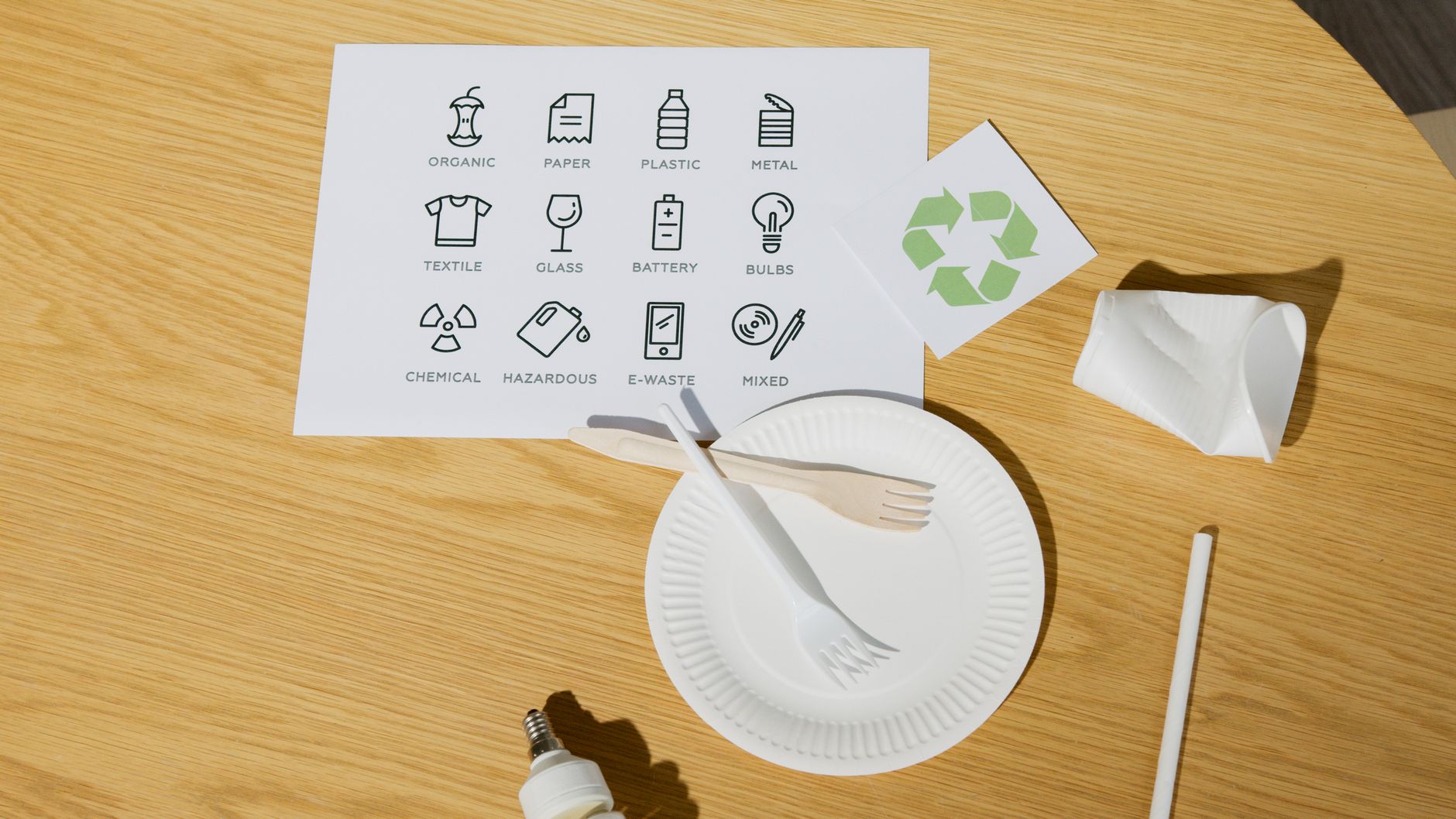
Sustainability is no longer a buzzword — it’s a business imperative. Across Australia, from Melbourne’s inner-city tech startups to Brisbane’s growing social enterprises, organisations are rethinking every touchpoint of their brand presence, including the merchandise they put in people’s hands. Compostable promotional items for green businesses represent one of the most meaningful ways to walk the talk on environmental responsibility. But navigating this product category takes more than good intentions. This guide breaks down everything you need to know about sourcing, ordering, and maximising the impact of compostable promo products — so your brand message and your environmental values genuinely align.
Why Compostable Promotional Products Matter More Than Ever
The promotional products industry has historically been one of the more wasteful in the marketing world. Cheap plastic pens, synthetic lanyards, and single-use packaging have all contributed to landfill on a massive scale. Australian consumers and B2B audiences are increasingly aware of this, and the demand for better alternatives has never been stronger.
Compostable products go a step further than simply being “eco-friendly.” Unlike recyclable items — which still require industrial processing — compostable products break down naturally into organic matter under the right conditions, returning nutrients to the soil without leaving toxic residue. For businesses committed to a circular economy, this distinction is significant.
Organisations like B Corp-certified companies, zero-waste events, and sustainability-focused councils in states like Victoria, Queensland, and South Australia are actively seeking promotional items that reflect their values rather than undermine them. If your brand is in one of these spaces, choosing compostable merchandise is one of the clearest signals you can send to your audience.
It’s also worth noting that understanding the difference between eco-friendly product certifications can help you make better purchasing decisions — not all “green” claims are created equal.
What Products Are Actually Compostable?
This is where many buyers get confused. The compostable product category spans a surprisingly wide range of merchandise, and quality varies considerably between suppliers. Here’s a breakdown of the most practical compostable promotional items available in Australia right now.
Compostable Pens and Stationery
Writing instruments made from PLA (polylactic acid) bioplastic — derived from cornstarch or sugarcane — are among the most widely available compostable promotional items. These pens look and feel similar to standard ballpoints but are certified to break down in commercial composting environments. They’re ideal for branded stationery giveaways at conferences, trade shows, and corporate welcome packs.
MOQs for compostable pens typically start at 100 units, making them accessible for small to mid-sized businesses. Pad printing is the standard decoration method, and most suppliers can match your brand colours with reasonable accuracy. Turnaround is generally 10–15 business days from artwork approval.
Compostable Cups and Drinkware
Single-use cups made from PLA-lined cardboard or pure plant starch are a staple at events. For a Sydney event planner running a zero-waste conference, swapping standard polystyrene cups for compostable alternatives is one of the quickest wins available. These can be printed with your logo and messaging, and they’re suitable for both hot and cold beverages.
Keep in mind that compostable cups generally require commercial composting facilities to break down properly — home compost bins often don’t reach the required temperatures. If your event is in a location serviced by an organics collection program (many metropolitan councils across NSW, Victoria, and Western Australia now offer this), the end-of-life pathway is straightforward.
For longer-lasting drinkware options, reusable branded keep cups made from bamboo fibre or wheat straw composites are another strong choice, though these sit in the biodegradable rather than strictly compostable category.
Seed Paper Products
Seed paper is arguably the most visually impactful compostable promotional product on the market. Made from recycled paper embedded with wildflower, herb, or vegetable seeds, seed paper can be manufactured into business cards, bookmarks, notecards, postcards, and even small notebooks. Once used, the recipient plants the paper in soil, waters it, and watches it germinate.
For a Perth-based environmental charity running a fundraising campaign, seed paper business cards communicate the brand story in a way no standard card ever could. They’re conversation starters that double as gifts. Digital printing is the typical decoration method, allowing full-colour artwork and detailed designs.
Compostable Bags and Packaging
Compostable tote bags made from natural materials like jute, cotton, or Kraft paper — combined with compostable inks — are a growing category. While fully compostable carry bags (using PLA-based materials) are available, cotton and jute options that are unbleached and undyed are the easiest to verify as genuinely low-impact. For a deeper dive into material options, our guide to sustainable bag choices for events is worth reading before you place an order.
Compostable packaging inserts, tissue paper, and mailer bags are also available for businesses that send merchandise in the post — a consideration that’s often overlooked when planning a branded merchandise strategy.
Compostable Cutlery and Event Accessories
For events serving food, compostable cutlery made from CPLA or bamboo is a natural complement to your other green merchandise. While branding options on cutlery are limited, these items can be presented alongside branded compostable napkins or packaged in branded paper sleeves for a cohesive look. For event planners in Adelaide or the Gold Coast running outdoor festivals or corporate functions, this category is highly practical.
How to Verify Compostability Claims
Unfortunately, greenwashing is real — and the promotional products space isn’t immune. Before placing a large order, ask your supplier for certification documentation. In Australia, the relevant certifications to look for include:
- AS 4736 — Australian standard for compostability in commercial/industrial composting systems
- AS 5810 — Australian standard for home compostable products
- OK Compost (TÜV Austria) — internationally recognised certification
- Seedling Logo (European Bioplastics) — another widely recognised mark
If a supplier cannot provide documentation, treat any compostability claims with scepticism. Asking for a formal spec sheet or third-party test results is entirely reasonable and a standard part of due diligence when sourcing sustainable promotional products in Australia.
Budgeting for Compostable Promotional Items
Let’s be honest: compostable products typically cost more than their conventional equivalents. A standard plastic pen might cost $0.80 per unit at volume, while a certified compostable alternative could be $1.50–$2.20 per unit. Compostable event cups often run 20–40% more than standard disposables.
However, the premium needs to be weighed against the strategic value. For a green business, handing out a cheap plastic pen is actively counterproductive to your brand positioning. The cost of misalignment between your values and your merchandise is harder to quantify but very real.
There are several ways to manage the budget impact:
- Reduce quantity, increase quality. Rather than giving everyone a cheap item, give fewer people something genuinely impressive and useful.
- Bundle compostable products into premium gift packs. A well-presented gift pack with a seed paper card, a compostable pen, and a bamboo utensil set commands far more perceived value than its individual components suggest.
- Prioritise high-visibility items. If budget is tight, focus compostable products on the items most likely to be kept and used — reducing overall waste regardless.
- Plan ahead for lead times. Compostable items sometimes have longer production windows. Rushing an order can increase costs through express fees. Planning your merchandise order timeline effectively will save you money.
Working With Your Artwork and Branding
Decoration methods for compostable products are slightly more constrained than for conventional merchandise. Some key considerations:
Inks matter. Conventional solvent-based inks can compromise the compostability of a product. Ensure your supplier uses water-based, soy-based, or vegetable-ink printing to maintain the integrity of the compostable claim.
Embossing and debossing are excellent decoration options for compostable paper products like notebooks and packaging — they require no ink at all and create a premium, tactile finish that aligns well with sustainable brand aesthetics.
Digital printing on seed paper and Kraft packaging produces excellent results for full-colour artwork. If your brand relies on PMS colour matching, discuss this with your supplier early — colour accuracy on natural materials can vary. Understanding PMS colour matching for promotional products will help you manage expectations.
Screen printing is suitable for compostable cotton bags using water-based inks, and most quality suppliers in Australia can accommodate this. Typical setup fees apply per colour per position.
Compostable Promotional Items at Events
Events represent the single biggest opportunity for compostable merchandise. Whether it’s a sustainability conference in Canberra, a university O-Week in Melbourne, or a community market in Hobart, events generate enormous quantities of single-use branded collateral. Switching to compostable alternatives across your event merchandise program — cups, bags, lanyards, signage — sends a powerful, consistent message.
For event planners, it helps to communicate your composting infrastructure to attendees. If you’ve gone to the trouble of sourcing compostable products, set up clearly labelled collection bins and arrange for the waste to be sent to a commercial compost facility. The product choice and the end-of-life pathway work together. Our guide to running a low-waste branded event covers this in more detail.
Compostable lanyards — made from natural cotton, bamboo, or certified compostable woven fabric — are another growing category worth noting. They’re paired with card holders made from recycled board and can be screen printed or woven with your logo.
Conclusion: Key Takeaways for Green Businesses
Compostable promotional items for green businesses offer a genuine way to align your brand’s environmental values with your marketing activity. Done well, they strengthen your credibility, delight environmentally conscious audiences, and contribute to a more circular economy. Here’s a summary of what to keep in mind:
- Verify claims with certification. Always ask for AS 4736, AS 5810, or internationally recognised composting certifications before ordering.
- Budget for a premium. Compostable products cost more, but the brand alignment value for green businesses is substantial — and the cost of misalignment is real.
- Choose decoration methods that don’t compromise compostability. Water-based inks, vegetable-based inks, and ink-free techniques like debossing preserve the product’s environmental credentials.
- Think end-of-life logistics at events. Compostable products only deliver on their promise if they’re collected and composted correctly — plan your event waste infrastructure accordingly.
- Work with a supplier who can provide documentation. Transparency from your supplier is the clearest indicator that their compostable claims are genuine.
Sustainability in promotional merchandise is a journey, not a single purchase. But choosing compostable products is one of the most meaningful steps a green business can take — and Australian audiences are increasingly ready to notice and appreciate the difference.