
Customisable T-Shirts: The Complete Guide for Australian Businesses and Organisations
Everything you need to know about ordering customisable t-shirts in Australia — from decoration methods to budgeting and MOQs.

Written by
Kai Williams
Custom Apparel
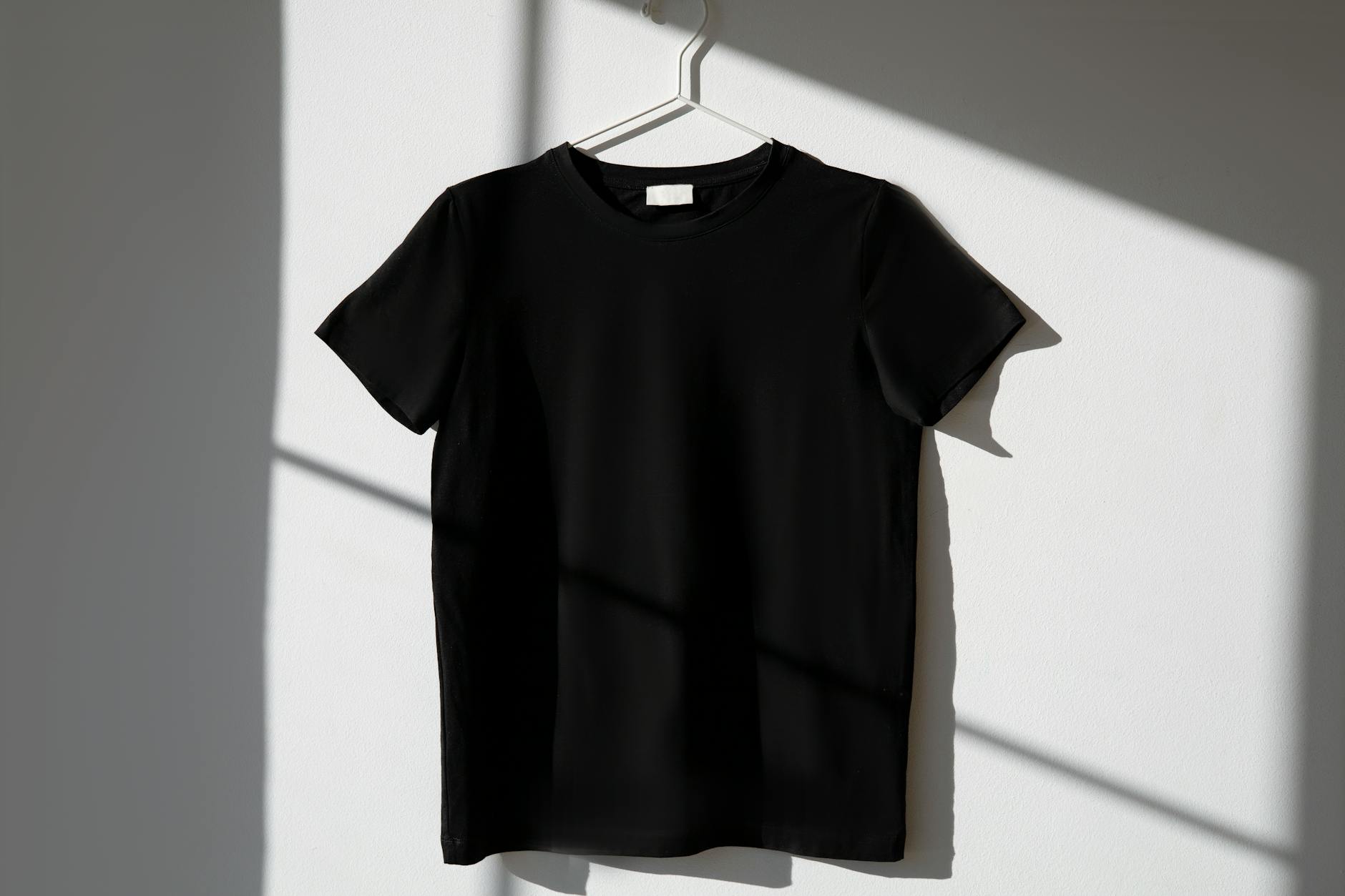
When it comes to branded merchandise that delivers real impact, few products match the versatility and reach of customisable t-shirts. Whether you’re a Sydney-based corporate team building a unified identity, a Brisbane sporting club gearing up for the season, or a Melbourne event planner coordinating staff uniforms for a major conference, a well-designed custom t-shirt puts your brand directly in front of the people who matter most. They’re wearable, practical, and — when done right — something people actually want to wear. That last part is the secret that separates forgettable giveaways from merchandise that genuinely works.
This guide covers everything Australian businesses and organisations need to know before placing a custom t-shirt order: decoration methods, fabric choices, minimum order quantities, turnaround times, and the practical details that keep projects running smoothly.
Why Customisable T-Shirts Remain a Staple of Brand Promotion
There’s a reason custom apparel has remained one of the top-performing categories in branded merchandise for decades. A t-shirt travels. It appears at the gym, at the local shops, at school pick-up. Every time someone wears your branded tee in public, your logo gets a free impression — sometimes in front of dozens of people at once.
For organisations across Australia, customisable t-shirts serve multiple purposes simultaneously. They create team cohesion, serve as event merchandise, function as staff uniforms, and act as corporate gifts that recipients genuinely appreciate. Unlike a branded pen that sits in a drawer, a quality t-shirt earns regular wear and builds real brand familiarity over time.
It’s also worth comparing them to other merchandise categories. If you’re exploring gifts for corporate employees, custom apparel consistently ranks among the most valued options because it feels personal and useful, rather than generic.
The Range of Organisations That Benefit
The appeal of custom t-shirts cuts across virtually every sector:
- Corporate businesses use them for team days, conferences, and new employee welcome kits
- Schools and sporting clubs order them for carnivals, fundraisers, and competitions
- Not-for-profits and charities rely on them for volunteer identification and awareness campaigns
- Event planners need them for staff uniforms, participant packs, and trade show presence
- Government departments and councils use them for community engagement and field team identification
A Gold Coast surf school, a Canberra government department, a Hobart charity walkathon — the need for customisable t-shirts spans geography and sector alike.
Understanding Decoration Methods for Custom T-Shirts
Choosing the right decoration method is one of the most consequential decisions in any custom t-shirt order. Each technique has its strengths, and the best choice depends on your design, quantity, fabric type, and budget.
Screen Printing
Screen printing is the industry workhorse for a reason. It produces vibrant, durable results at a cost that becomes increasingly attractive at higher volumes. Each colour in your design requires a separate screen, which is why screen printing suits bold logos with limited colours rather than complex photographic imagery. Setup fees apply per colour, so a simple two-colour logo will be far more economical than a six-colour design.
For orders of 50 shirts or more, screen printing typically delivers the best cost-per-unit outcome. It’s the go-to method for sporting clubs, schools, and large corporate events across Australia.
Embroidery
Embroidery elevates a t-shirt into something that feels premium. The stitched finish communicates quality and professionalism, making it particularly popular for corporate polos and premium staff uniforms. It’s less suited to fine detail or large chest designs, but for left-chest logos and sleeve branding, embroidery is hard to beat.
If you’re also considering complementary branded items, take a look at custom trucker caps — embroidery works beautifully across both products and creates a cohesive branded look for teams.
Direct-to-Garment (DTG) Printing
DTG printing works similarly to an inkjet printer but directly on the fabric. It’s ideal for small runs, complex artwork, and photographic designs with many colours. Because there are no screens to set up, it suits low-quantity orders — even single units — without significant setup costs. The trade-off is that it can be less durable than screen printing over repeated washes, and it typically works best on 100% cotton garments.
Heat Transfer and Sublimation
Heat transfer involves applying a pre-printed design using heat and pressure. It suits short runs and offers flexibility for multicolour designs. Sublimation printing, by contrast, infuses ink directly into the fabric at a molecular level, producing incredibly vivid, all-over designs that won’t crack or peel. Sublimation is best suited to polyester fabrics and is popular for performance sportswear and event merchandise.
Choosing Based on Your Brief
Here’s a quick decision framework:
- Large quantities, bold logo: Screen printing
- Premium feel, corporate use: Embroidery
- Complex artwork, small run: DTG printing
- All-over design, sportswear: Sublimation
Fabric, Fit, and Style: Getting the Basics Right
The decoration method only matters if the base garment is right for your audience. Customisable t-shirts come in a wide range of fabrics and styles, and choosing wisely makes a significant difference to how your merchandise is received.
Cotton vs. Blends
100% cotton is breathable, comfortable against the skin, and prints exceptionally well — particularly with screen printing and DTG. It’s the preferred choice for casual event tees, promotional giveaways, and youth uniforms.
Cotton-polyester blends offer the comfort of cotton with added durability and moisture-wicking properties. These are popular for active use, outdoor events, and situations where shirts will face frequent washing. For performance-focused applications — think sporting clubs or outdoor events in Darwin or Brisbane’s humidity — a moisture-wicking polyester blend is worth the consideration.
Fit and Gender Considerations
Modern branded merchandise should offer fit options that work for your whole team. Standard unisex fits work well for casual event tees, but for staff uniforms or corporate applications, offering both standard and fitted silhouettes shows thoughtfulness. Sizing inclusivity — running sizes from XS through to 5XL where possible — ensures no team member is left out.
If your organisation is also exploring premium branded apparel, Nike men’s apparel offers an excellent range of performance-focused garments that can be customised for corporate and sporting applications.
Minimum Order Quantities, Pricing, and Turnaround Times
Understanding the practical side of ordering is essential for smooth project management, particularly if you’re working to a deadline or a tight budget.
Minimum Order Quantities (MOQs)
MOQs vary by supplier and decoration method. Screen printing typically requires a minimum of 25–50 units per design due to setup costs. DTG printing can often accommodate orders as small as one unit. Embroidery generally sits somewhere in between, with many suppliers accepting orders from 12 pieces upward.
If you’re ordering across multiple product categories — say, custom t-shirts alongside spiral notebooks and branded mugs for a conference delegate pack — consolidating your order with one supplier can simplify logistics and sometimes attract better pricing.
Budgeting Realistically
Pricing is influenced by quantity, decoration complexity, number of print colours, garment quality, and turnaround time. As a general guide for Australian organisations:
- Basic screen-printed tees (one colour, 100+ units): $10–$20 per unit
- Premium cotton tees with full-colour DTG: $25–$45 per unit at lower quantities
- Embroidered polo shirts: $25–$55 per unit depending on stitch count and quantity
Setup fees, artwork preparation costs, and freight can add meaningfully to your total budget, particularly for smaller orders. Always request a full quote that itemises these costs before committing.
Turnaround Times
Standard production for screen-printed t-shirts in Australia typically runs 10–15 business days after artwork approval. Rush turnarounds of 5–7 business days are often available at a premium. If your event is in Adelaide in three weeks and you haven’t ordered yet, contact your supplier immediately to discuss options — and factor in freight time to your location.
Artwork and Approvals: Avoiding Costly Mistakes
Even the best t-shirt is let down by poor artwork preparation. Supplying your design in the correct format from the start saves time, money, and frustration.
Vector files (AI, EPS, or PDF) are the gold standard for most decoration methods. They scale without quality loss, making them ideal for reproducing logos accurately. Raster files (JPEG, PNG) can work for DTG printing but must be supplied at high resolution — at least 300 DPI at the print size.
Colour accuracy matters, too. If your brand has specific colour requirements, provide PMS (Pantone) colour codes to your decorator. This ensures consistency whether you’re ordering in Melbourne or Perth and gives you a reference point for reorders.
Always review your digital proof carefully before approving. Check spelling, logo positioning, sizing, and colour specifications. Once production begins, changes become costly or impossible.
Pairing Custom T-Shirts With Complementary Merchandise
Customisable t-shirts rarely exist in isolation. They’re most effective as part of a broader merchandise strategy that reinforces your brand across multiple touchpoints.
For trade show and conference environments, pairing branded tees with trade show display ideas creates a cohesive, professional presence. Consider complementing your t-shirts with items like reusable grocery bags, insulated coffee cups, or satchel bags for a complete branded package that attendees will genuinely use.
For school or sporting club applications, sew-on patches for clothes can add an additional layer of customisation — perfect for team identity or special event recognition.
For healthcare or aged care organisations creating staff packs, t-shirts pair naturally with practical items like nursing badge reels to create a complete and useful welcome kit.
Sustainable Options Worth Considering
Eco-consciousness is no longer a niche preference — it’s increasingly an expectation, particularly among younger demographics and socially aware organisations. Sustainably sourced custom t-shirts made from organic cotton, recycled polyester, or GOTS-certified fabrics are now widely available from Australian suppliers and attract only a modest price premium over conventional options.
If sustainability is a priority for your organisation or event, communicate this clearly in your brief. Your supplier can recommend garments with credible environmental credentials and advise on decoration methods that use water-based, low-impact inks.
Conclusion: Key Takeaways for Ordering Customisable T-Shirts in Australia
Customisable t-shirts are one of the most powerful and practical tools in any organisation’s branded merchandise arsenal. Getting them right requires thoughtful decision-making across garment selection, decoration method, artwork preparation, and supplier management — but the investment pays off in brand exposure that outlasts the event, the campaign, or the season.
Here are the key points to carry into your next order:
- Choose your decoration method based on your design complexity, quantity, and budget — screen printing for large runs, DTG for small or complex artwork, embroidery for a premium finish
- Select fabrics and fits appropriate for your audience — comfort and wearability drive how often your branded shirt actually gets worn
- Supply vector artwork and PMS colour codes from the start to avoid delays and ensure colour accuracy
- Build in sufficient lead time — allow at least 15 business days from artwork approval for standard orders, and factor in freight to your location
- Think beyond the single product — customisable t-shirts work best as part of a broader merchandise mix that reinforces your brand across multiple items
Whether you’re coordinating a major Perth conference, kitting out a Darwin field team, or gifting new Melbourne hires, a well-executed custom t-shirt order delivers lasting value that few other products can match.