
How to Customise T-Shirts for Your Business, Event, or Organisation in Australia
Learn how to customise t-shirts in Australia — from choosing decoration methods to ordering in bulk. Expert tips for businesses, schools, and events.

Written by
Kai Williams
Custom Apparel
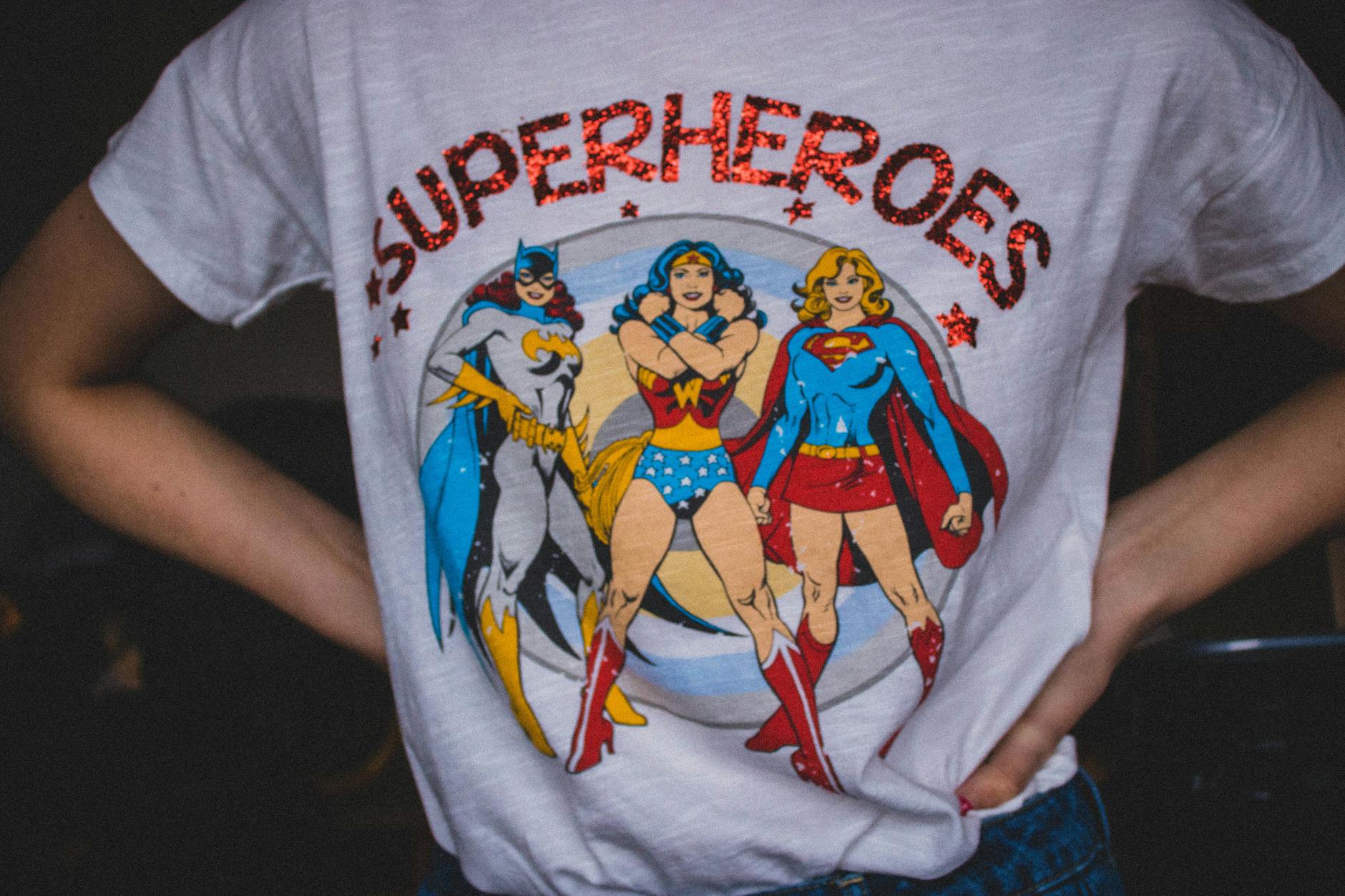
Whether you’re gearing up for a corporate team day in Sydney, kitting out volunteers for a charity walk in Melbourne, or ordering uniforms for a Brisbane sports club, the ability to customise t-shirts opens up an enormous range of possibilities. Custom t-shirts are one of the most versatile and cost-effective branded merchandise options available — they’re wearable, practical, and highly visible. But getting the process right takes a bit of know-how. From choosing the right fabric and decoration method to understanding minimum order quantities and turnaround times, there’s more to it than simply uploading a logo. This guide walks you through everything you need to know to get a great result.
Why Custom T-Shirts Remain One of Australia’s Most Popular Branded Products
There’s a reason custom t-shirts consistently top the list of promotional products ordered by Australian organisations year after year. They work across virtually every sector — from Perth construction companies needing workwear to Adelaide schools ordering sports carnival shirts. A well-designed custom tee functions as a walking advertisement, extending your brand’s reach every time someone wears it out in public.
Beyond brand visibility, custom t-shirts build a sense of belonging. Staff wearing matching branded shirts at a trade show look professional and cohesive. Students wearing house-coloured tees at a school carnival feel part of something. Volunteers at a Gold Coast charity event wearing personalised shirts build community identity at a glance.
If you’re thinking about the broader picture of how merchandise drives brand recognition, it’s worth reading about how promotional products build brand awareness — it provides useful context for any merchandise investment decision.
Cost is another factor. When ordered in bulk, custom t-shirts offer an exceptionally low cost-per-impression compared to almost any other form of advertising. And unlike a digital ad that disappears the moment the campaign ends, a t-shirt can keep delivering exposure for years.
Choosing the Right T-Shirt Style to Customise
Before you think about logos or colours, you need to select the right base garment. This decision affects how your decoration looks, how comfortable the shirt is to wear, and how well it holds up over time.
Fabric and Weight
Cotton is the classic choice — it’s breathable, comfortable, and takes screen printing exceptionally well. For standard promotional use, a 180–200gsm cotton tee is a popular and affordable option. If you’re ordering for outdoor events or sportswear, consider a polyester or cotton-polyester blend, which offers better moisture-wicking properties and is ideal for sublimation printing.
For premium corporate use — think Canberra government departments or Darwin mining companies — a heavier weight garment (200gsm+) with a tailored cut will look far more professional and hold its shape through repeated washing.
Fit and Cut
Standard unisex fits are the most common choice for bulk orders because they simplify sizing across a mixed group. However, if you’re ordering for a more fashion-conscious audience — like staff at a Melbourne hospitality venue or a Hobart boutique retailer — you might consider slim-fit or women’s-specific cuts for a more polished appearance.
Children’s sizing is also worth considering when ordering for school events. A Brisbane primary school ordering custom sports day t-shirts, for example, would need a comprehensive size range from around size 4 all the way up to adult sizes for staff.
Colour Selection
The colour of your base garment affects every decoration method. Screen printing on dark shirts often requires an underbase layer (adding to cost), while sublimation only works effectively on white or very light-coloured polyester. If your brand uses specific PMS colours, discuss colour-matching options with your supplier early in the process to avoid surprises when the finished product arrives.
How to Customise T-Shirts: Decoration Methods Explained
The decoration method you choose is arguably the most important decision in the entire process. Each technique has different strengths, cost profiles, and suitable applications.
Screen Printing
Screen printing is the industry workhorse for custom t-shirts in Australia — and for good reason. It produces vibrant, durable results and becomes highly cost-effective at larger quantities. Each colour in your design requires a separate screen, which is why setup fees exist. If you’re ordering 50 or more shirts with a simple two-colour logo, screen printing will almost certainly be your best option.
Setup costs are a key consideration, particularly for small runs. For a detailed breakdown, see our guide to screen printing setup costs for small business merchandise — it covers exactly what you can expect to pay and how to minimise upfront costs.
Embroidery
Embroidery gives t-shirts a premium, textured finish that’s associated with quality and longevity. It’s particularly popular for corporate polos and workwear where a professional appearance matters. However, it’s not ideal for highly detailed designs or large prints across the chest — embroidery works best with compact logos on the left chest or sleeve.
Heat Transfer and DTG Printing
Direct-to-garment (DTG) printing and heat transfer methods shine when you need full-colour, photographic-quality designs or small run quantities. If your Sunshine Coast business only needs 10–20 custom shirts for an upcoming event, DTG is likely your most practical choice since it carries no setup fees. The trade-off is that per-unit costs are higher, and colours may fade slightly faster than screen-printed designs over time.
Sublimation
Sublimation printing produces stunning, all-over designs that are baked directly into the fabric — meaning the print won’t crack or peel. It’s the go-to method for sportswear, activewear, and event merchandise where bold, edge-to-edge visuals are desired. The key limitation is that sublimation only works on white or light polyester fabrics, so it’s not compatible with every t-shirt style.
Artwork, Logos, and Design Considerations
Getting your artwork right before you place an order saves time, money, and frustration. Suppliers will typically require vector files (AI, EPS, or high-resolution PDF) for the best results, particularly for screen printing and embroidery. Rasterised images (JPGs or PNGs) are sometimes acceptable for DTG, provided the resolution is sufficient — generally 300dpi at print size.
A few practical tips:
- Keep logos clean and legible — intricate fine details may not translate well to certain decoration methods, especially embroidery
- Consider placement early — common placements include left chest, centre chest, upper back, and sleeve; each affects pricing differently
- Request a digital proof before approving production — reputable suppliers will provide this as standard practice
- Check your brand’s PMS or CMYK colour codes are communicated to the decorator to ensure consistency
If you’re also ordering complementary branded items alongside your t-shirts — like stationery, bags, or drinkware — you’ll want consistency across all items. Exploring promotional stationery trends in Australia or wholesale branded bags can help you build a cohesive merchandise package.
Minimum Order Quantities, Pricing, and Turnaround Times
Understanding the logistics of ordering custom t-shirts helps you plan your budget and timeline effectively.
Minimum Order Quantities (MOQs)
Most Australian screen printing suppliers set minimum order quantities of around 20–50 units per design. Embroidery MOQs can be similar, though some suppliers will work on smaller runs for a premium. If you need fewer than 20 shirts, DTG or heat transfer is usually your most accessible route — or look for suppliers offering promotional products with no minimum quantity.
Pricing Tiers
Custom t-shirt pricing generally works on tiered pricing — the more units you order, the lower the per-unit cost. As a rough guide (prices vary significantly by garment quality, decoration complexity, and supplier):
- 12–24 units: $18–$35 per shirt
- 50–99 units: $12–$22 per shirt
- 100–249 units: $8–$16 per shirt
- 250+ units: $6–$12 per shirt
Always confirm whether setup fees, freight, and GST are included in quoted prices.
Turnaround Times
Standard production for custom t-shirts in Australia typically runs 7–14 business days from artwork approval. If you need a rush order for an upcoming event, many suppliers offer express production, though this often incurs a premium. Always build buffer time into your planning — particularly around peak periods like the end of financial year, Christmas, and major sporting seasons.
Ordering Tips for Specific Sectors
Different organisations have different needs when they customise t-shirts:
Businesses and corporates: Focus on fabric quality and professional finish. Embroidery or premium screen printing on a heavier-weight garment will represent your brand better than a budget tee. Consider pairing shirts with branded accessories — promotional drawstring backpacks or custom trucker caps make great bundle options for staff or event giveaways.
Schools and sporting clubs: Budget is typically a priority. Cotton screen-printed tees are cost-effective and durable enough for active use. Order a wide size range and consider ordering extra units in popular sizes. Check out how local businesses on the Sunshine Coast approach branded merchandise for inspiration on community-focused ordering.
Events and conferences: For large-scale events, plan your order at least 4–6 weeks in advance to allow for production and freight. For outdoor events specifically, consider pairing t-shirts with recycled plastic sunglasses or promotional beach towels for a complete branded experience.
Not-for-profits and charities: Look for eco-friendly garment options — organic cotton or recycled fabric tees — to align with your organisation’s values. If you’re exploring promotional products more broadly, promotional products in Melbourne offers a useful starting point for understanding supplier options across the country.
Conclusion: Key Takeaways for Customising T-Shirts in Australia
Learning how to customise t-shirts effectively is about more than just slapping a logo on a garment — it involves strategic decisions about fabric, decoration method, artwork preparation, and supplier management. When these elements come together, the result is a product that genuinely represents your brand and delivers lasting value.
Here are the key takeaways to keep in mind:
- Choose your fabric and fit based on end use — sports events, corporate settings, and community events all have different requirements
- Match your decoration method to your design, quantity, and budget — screen printing for bulk orders, DTG for small runs, sublimation for all-over sportswear
- Prepare vector artwork in advance and always request a digital proof before approving production
- Order early and build in buffer time — 7–14 business days is standard; rush fees apply for tight deadlines
- Consider complementary merchandise to build a cohesive branded experience beyond the t-shirt itself
- Compare total costs carefully, including setup fees, GST, and freight, when evaluating supplier quotes
With the right planning and supplier partnership, custom t-shirts remain one of the smartest investments any Australian organisation can make in their brand presence.