
How to Dress with Shirts: A Complete Guide to Branded Corporate Shirts
Discover how to dress with shirts for corporate events, uniforms, and branded merchandise. Expert tips for Australian businesses and organisations.

Written by
Ethan Kowalski
Corporate Gifts
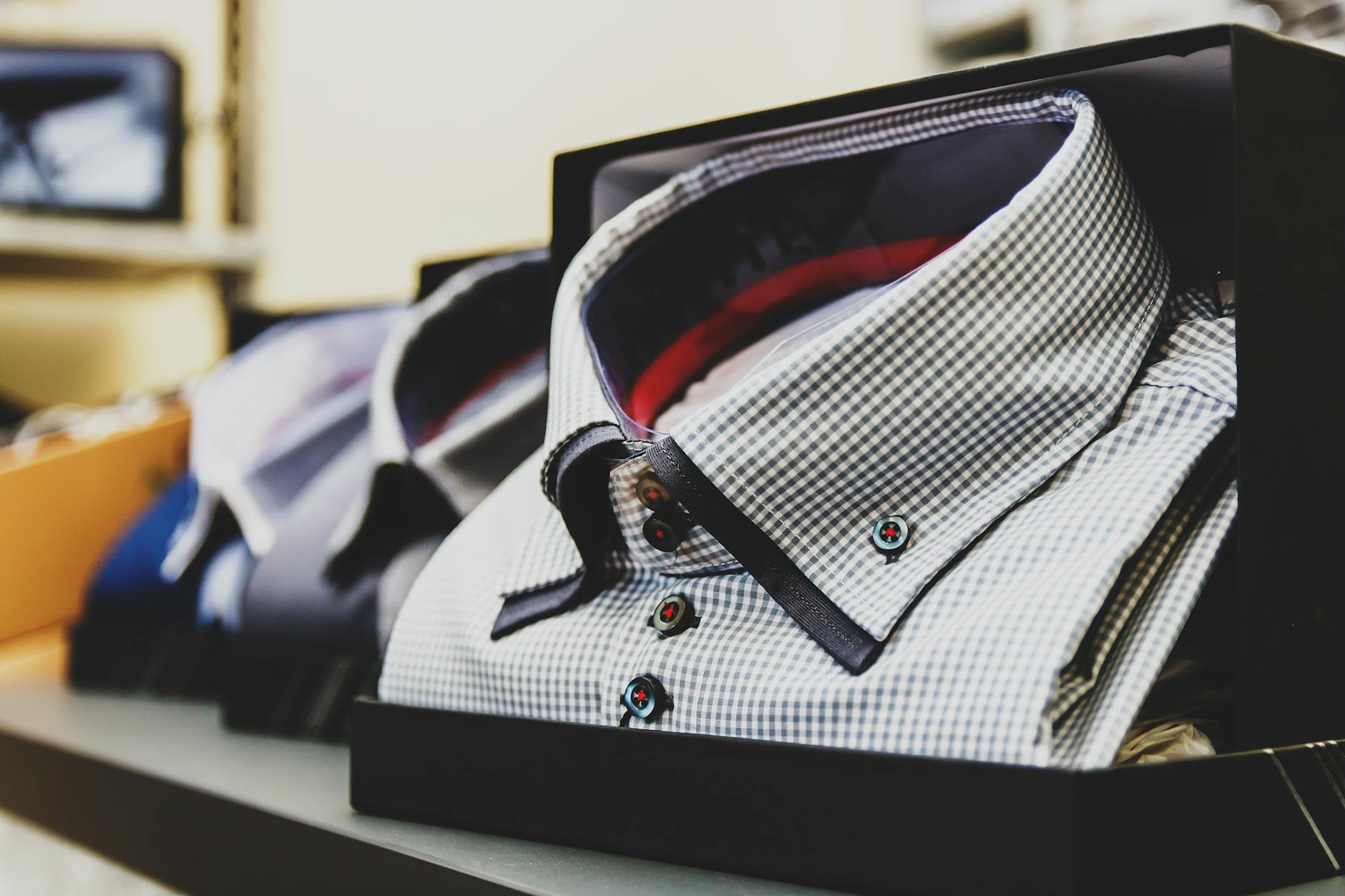
When it comes to presenting a polished, professional image for your organisation, few choices carry as much weight as how you dress with shirts. Whether you’re outfitting a sales team in Sydney, coordinating volunteer uniforms for a Brisbane charity event, or sourcing branded apparel for a Melbourne conference, the right shirt — worn the right way — can elevate your brand identity and leave a lasting impression. But with so many styles, decoration methods, and fabric options available, it’s easy to feel overwhelmed. This guide breaks it all down so you can make confident, cost-effective decisions about corporate shirts for your team or event.
Why Branded Shirts Are a Cornerstone of Corporate Identity
Shirts are one of the most versatile and widely-used categories in the promotional products industry. From crisp button-up dress shirts to casual branded polos and structured henleys, the variety available to Australian organisations is genuinely impressive. What makes shirts such a powerful branding tool is their everyday utility. Unlike a branded pen that might sit in a drawer, a shirt gets worn repeatedly — at work, at events, and in the community.
Think about a Perth-based real estate agency whose agents turn up to open homes in matching embroidered polo shirts, or a Gold Coast hospitality business where front-of-house staff wear coordinated button-up shirts with a subtle chest logo. In both cases, the shirt becomes a walking advertisement for the brand, building trust and recognition with every interaction.
Beyond recognition, there’s a strong psychological component. When staff dress consistently and professionally, it signals to customers and clients that the organisation values quality, reliability, and attention to detail. That perception can translate directly into business outcomes.
How to Dress with Shirts: Choosing the Right Style for Your Organisation
The first step in any corporate shirt project is selecting the right shirt style for your team’s role, environment, and brand aesthetic. There’s no universal answer here — the best choice depends on your industry, your audience, and how formal or casual your workplace culture is.
Polo Shirts
Polo shirts are the workhorse of the corporate apparel world in Australia. They strike the perfect balance between professionalism and comfort, making them suitable for everything from tradies in high-visibility environments to corporate team-building days. Polished enough to wear at client-facing events, but relaxed enough for day-to-day wear, branded polos are an excellent choice for businesses seeking consistency without a rigid dress code.
Most custom polo shirts in Australia have a minimum order quantity (MOQ) of around 12–25 units, depending on the supplier, with bulk pricing kicking in from 50 units and above. Embroidery is the most popular decoration method for polos, delivering a premium, long-lasting finish that holds up through repeated commercial laundering.
Dress Shirts (Button-Ups)
For corporate environments where a more formal appearance is expected — think finance, legal, or government sectors — a custom dress shirt is an outstanding choice. A well-fitted, branded button-up shirt communicates authority and sophistication. These are particularly popular among Canberra-based government departments and professional services firms across the CBD areas of Sydney and Melbourne.
Decoration options for dress shirts typically include embroidery (on the chest pocket or sleeve cuff), woven labels, or subtle heat transfer logos. Screen printing directly onto dress shirts is generally avoided, as the fabric is more delicate and the finish can feel stiff.
Casual and Branded Tees
Not every organisation needs a formal look. Schools organising sports days, charities running community fundraisers, and start-ups building a culture brand often gravitate toward custom t-shirts. They’re cost-effective, comfortable, and respond brilliantly to vibrant full-colour screen printing. If you’re putting together event merchandise or staff shirts for a high-energy expo or trade show, a well-designed tee can be incredibly effective.
For those leaning toward premium performance wear, it’s worth exploring Nike men’s apparel options for corporate teams, which offer a recognised brand association alongside smart customisation opportunities.
Decoration Methods: Getting the Look Right
Once you’ve chosen your shirt style, the next critical decision is how you’ll apply your branding. The decoration method affects durability, colour accuracy, finish quality, and ultimately the cost per unit.
Embroidery
Embroidery involves stitching your logo directly into the fabric using commercial-grade thread. It produces a textured, premium finish and is exceptionally durable — surviving hundreds of wash cycles without fading or peeling. Embroidery is ideal for corporate polos, dress shirts, jackets, and caps. The main limitation is fine detail; very intricate logos with thin lines or small text can lose definition when converted to a stitch file.
Setup costs for embroidery (called digitising fees) are typically a one-time cost of $30–$80, after which the stitch file is reusable across future orders.
Screen Printing
Screen printing is the go-to method for bulk t-shirt orders where vibrant colours and large artwork areas are priorities. It’s highly cost-effective at volume (generally 25+ units), and the finish is bold and impactful. However, it works best with designs that use a limited number of spot colours. Gradients and photographic images are better suited to digital or sublimation printing.
Sublimation Printing
Sublimation is a full-coverage printing process that infuses dye directly into the fabric. It’s perfect for polyester shirts and allows for all-over designs, photographic quality, and an unlimited colour palette. Sublimation is popular for sporting clubs across Adelaide and Brisbane, as well as for event-specific apparel where high-impact design is essential.
Patches and Iron-On Applications
For a different aesthetic entirely — particularly popular with youth organisations, clubs, and lifestyle brands — sew-on clothes patches offer a tactile, retro look that works brilliantly on casual shirts, denim jackets, and tote bags. They can be custom-embroidered or woven to your exact design specification.
Coordinating Shirts with a Complete Corporate Wardrobe
The most impactful corporate uniform programmes go beyond a single shirt. When organisations consider how to dress with shirts as part of a broader apparel and accessories strategy, the results are significantly more cohesive and professional.
Consider pairing branded shirts with complementary items such as:
- Headwear: Custom trucker caps are a popular addition for outdoor teams, event staff, and casual brand activations. They extend branding above the shoulder line and add a relaxed, approachable feel.
- Bags: Whether your team carries laptops or product samples, a coordinated bag reinforces professionalism. Options like satchel bags with custom branding work well for corporate professionals, while stylish branded lunch bags are a thoughtful addition for longer shifts or off-site days.
- Accessories: Think about how lanyards, nursing badge reels, and ID holders complement a staff uniform in healthcare or event settings. These small touches complete the overall look and serve a practical function.
- Drinkware: Pairing branded shirts with items like a custom insulated coffee cup makes for a cohesive welcome pack for new staff or conference delegates.
If you’re looking for broader inspiration on building a complete staff welcome package, our guide to gifts for corporate employees covers a range of ideas that pair beautifully with branded apparel.
Budgeting for Your Corporate Shirt Order
Understanding the cost drivers in a corporate shirt project helps you allocate budget wisely. Key factors include:
- Quantity: The more units you order, the lower the per-unit cost. Most suppliers use tiered pricing, so ordering 100 units versus 50 can sometimes reduce the per-shirt price by 20–30%.
- Shirt quality and fabric: Budget shirts start from around $10–$15 per unit before decoration, while premium styles (moisture-wicking, structured collars, stretch fabrics) can range from $30–$60+ per shirt.
- Number of decoration positions: A logo on the left chest is standard. Adding a back print, sleeve logo, or collar label adds to the cost.
- Colour count: For screen printing, each additional colour in your design typically incurs an additional screen setup fee.
- Turnaround time: Rush orders attract premium pricing. Standard turnaround for decorated apparel in Australia is typically 10–15 business days. If you need shirts for a specific event, build in buffer time.
Practical Tips for a Smooth Corporate Shirt Project
Getting from concept to delivery without stress comes down to preparation and clear communication. A few practical suggestions:
- Request samples before committing to a large order. Fitting and fabric quality can vary significantly between suppliers and shirt styles.
- Provide print-ready artwork. Most decorators require vector files (AI or EPS) for embroidery digitising and screen printing. Low-resolution JPEGs will not produce quality results.
- Confirm PMS colour matching if brand colour accuracy is important. Off-brand colours in a logo can undermine the professionalism of even the best-quality shirt.
- Collect accurate size breakdowns from staff before ordering. Late changes to size distributions can delay production and create unnecessary costs.
- Think about the full ordering lifecycle. If you’re likely to need additional shirts periodically for new starters, choose a supplier who can accommodate smaller top-up orders without excessive minimum quantities.
Beyond shirts, if you’re planning a trade show or expo alongside your uniform rollout, our overview of ideas for trade show displays is a great companion resource.
Conclusion: Key Takeaways on How to Dress with Shirts for Your Organisation
Learning how to dress with shirts as part of a strategic approach to corporate branding pays dividends in team cohesion, brand recognition, and professional perception. Whether you’re outfitting five staff members or five hundred, the principles remain the same: choose the right style for your context, apply decoration that reflects your brand quality, and consider how the shirt fits into a broader merchandise programme.
Here are the key takeaways to carry forward:
- Match shirt style to workplace context — polos and tees for casual or outdoor environments, dress shirts for formal or client-facing roles.
- Choose decoration methods based on design complexity and durability needs — embroidery for premium longevity, screen printing for bold bulk orders, sublimation for all-over designs.
- Coordinate shirts with complementary accessories and merchandise to create a truly cohesive brand presentation.
- Plan your budget around quantity tiers, decoration positions, and lead times to avoid unnecessary costs or delays.
- Think long-term — choose products and suppliers that can scale with your organisation as your team grows and your branding evolves.