
Eco Coffee Cups for Business: The Complete Australian Buyer's Guide
Discover how to choose, brand, and order eco coffee cups for your Australian business or event. Tips on materials, MOQs, and decoration methods.

Written by
Luca Osei
Drinkware
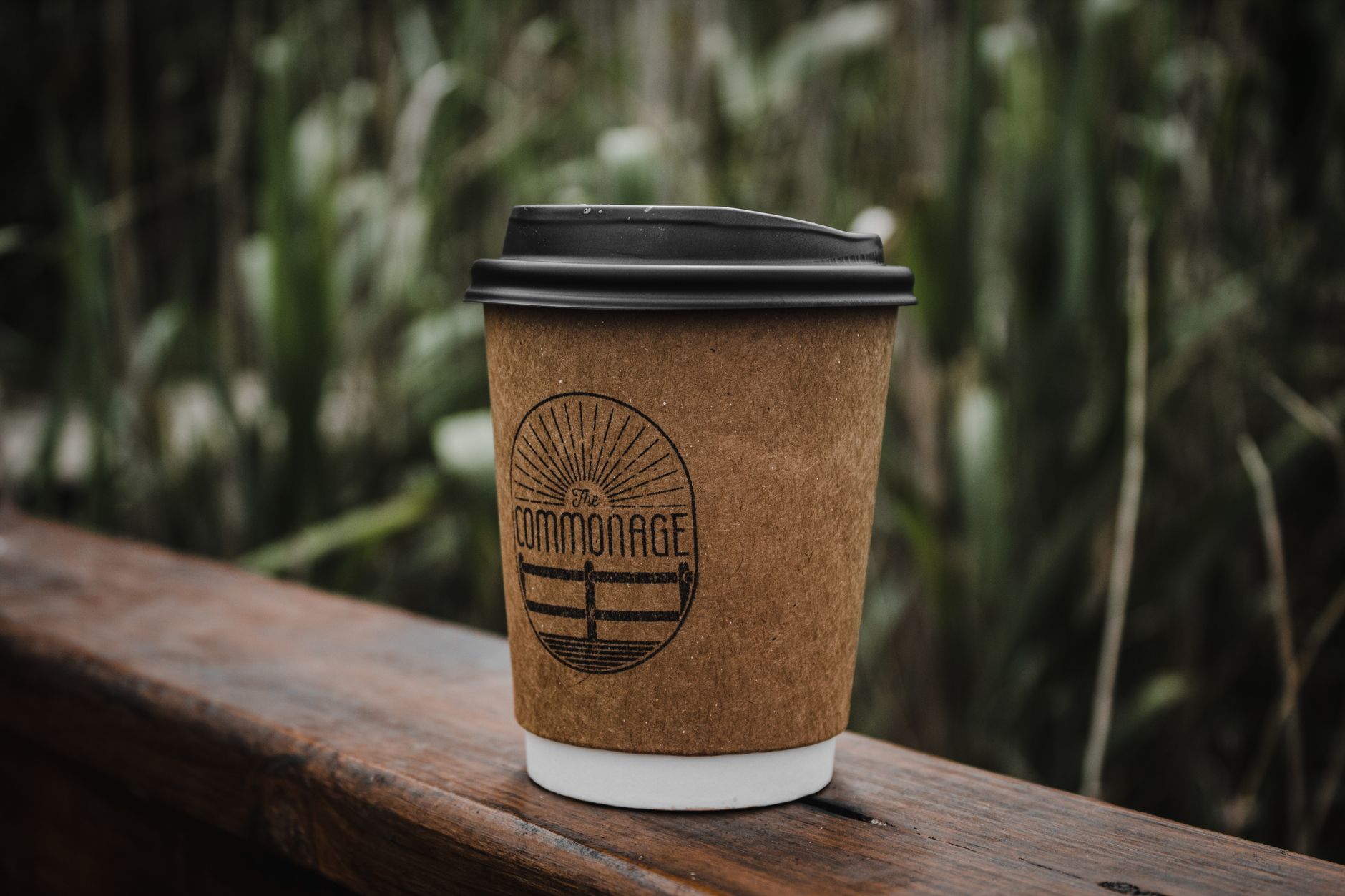
Choosing the right branded drinkware for your organisation is never just about slapping a logo on a cup. When it comes to the eco coffee cup, the decision carries real weight — because your choice signals something to clients, staff, and the wider community about what your brand actually stands for. With Australians drinking an estimated 50,000 cups of disposable coffee every half hour, the shift toward reusable, sustainable alternatives has gone well beyond a passing trend. In 2026, branded eco coffee cups have become one of the most in-demand promotional products across corporate gifting, event merchandise, and employee onboarding kits alike. Whether you’re a Sydney marketing agency building a welcome pack or an Adelaide council running a sustainability awareness campaign, this guide will walk you through everything you need to know before placing an order.
Why Eco Coffee Cups Have Become a Promotional Product Staple
There’s a reason eco coffee cups consistently rank among the top-performing branded merchandise across Australia. They sit at the intersection of practicality and purpose — products that people actually use every single day, while reinforcing a message of environmental responsibility.
Unlike single-use paper cups lined with plastic, reusable eco coffee cups significantly reduce landfill waste. When branded with your organisation’s logo and gifted to employees, event attendees, or clients, they become walking advertisements that get used in cafés, offices, and commuter trains across Melbourne, Brisbane, Perth, and beyond.
From a promotional standpoint, drinkware offers one of the highest impressions-per-dollar ratios of any branded product category. Studies consistently show that useful, high-quality items are kept longer and seen more often than novelty products — and few things are more useful than a good coffee cup.
If you’re just starting to explore what’s possible with branded merchandise, it’s worth reading about how promotional products build brand awareness before diving into a specific product category.
Understanding Eco Coffee Cup Materials
Not all eco cups are created equal. The term “eco” can refer to a wide range of materials, each with different environmental credentials, feel-in-hand quality, and suitability for different decoration methods.
Bamboo Fibre Cups
Bamboo fibre cups are one of the most popular options in the Australian market. They’re made from natural bamboo husks mixed with a food-safe binding agent, giving them a lightweight, earthy aesthetic that resonates particularly well with health-conscious and sustainability-focused audiences. They typically hold 350–450ml, come with a silicone band and lid, and feel premium without being heavy.
One important note: bamboo cups are generally not suitable for dishwashers, and the material surface can be tricky for fine-detail artwork. Pad printing or laser engraving tends to work best on these.
Recycled Plastic (rPET) Cups
rPET cups are made from post-consumer recycled plastic — often reclaimed from plastic bottles. They’re durable, dishwasher safe, and available in a wide range of colours. For organisations running beach cleanup events or ocean conservation campaigns, rPET cups pair beautifully with the messaging. You might also be interested in how recycled plastic sunglasses work for beach cleanup events — a great companion piece to rPET drinkware in an eco-themed merchandise bundle.
Wheat Straw Cups
Derived from the leftover stalks of harvested wheat, wheat straw cups are a genuinely innovative material option. They have a similar aesthetic to bamboo cups, tend to be slightly more affordable, and carry solid eco-credentials as a by-product of agricultural processes.
Glass and Stainless Steel with Eco Credentials
Double-walled glass keep cups and stainless steel tumblers can also qualify as eco products when made with sustainable manufacturing practices or sourced from certified ethical supply chains. They tend to carry a higher price point, but the perceived value is significantly elevated — making them ideal for premium corporate gifting or executive welcome packs.
Decoration Methods for Branded Eco Coffee Cups
How your logo goes on the cup matters as much as the cup itself. Different materials call for different decoration approaches.
Laser Engraving is the gold standard for stainless steel and glass cups. It produces a precise, permanent mark that won’t fade or peel, and it has a premium, tactile quality that recipients genuinely appreciate. There are no ink consumables involved, which aligns well with eco-friendly brand messaging.
Pad Printing works well on bamboo, wheat straw, and plastic cups. It allows for spot colour reproduction and is cost-effective at volume. Keep in mind that it’s typically limited to flat or slightly curved surfaces.
Screen Printing is suited to cylindrical plastic and stainless steel cups with consistent surface geometry. For more context on how this process affects your budget, take a look at our breakdown of screen printing setup costs for small business merchandise.
Digital Printing / Full Wrap Printing is available on some cup styles and allows for complex artwork, gradients, and photographic imagery. This is particularly popular for event cups where visual impact is key.
Minimum Order Quantities and Budget Considerations
One of the first questions clients ask is: how many do I need to order? The answer varies by supplier and product type, but as a general guide:
- Bamboo fibre cups: MOQs typically start at 50–100 units
- rPET and wheat straw cups: Similar range, often 50+ units
- Stainless steel or glass cups: May start at 25–50 units for standard stock
- Fully custom-moulded cups: Can require 500+ units and longer lead times
If you’re working with a tighter quantity requirement, it’s worth exploring promotional products with no minimum order quantity in Australia — some suppliers can accommodate smaller runs, particularly for digital decoration.
Budget-wise, branded eco coffee cups typically fall in the $8–$25 per unit range depending on material, quantity, and decoration method. Premium stainless steel options can reach $30–$40+ at low quantities but come down significantly at bulk pricing tiers. Don’t forget to account for setup fees, which are charged per colour or per position and typically range from $40 to $80 per setup.
For large-scale orders — think a Perth corporate conference of 500+ attendees or a government department equipping their entire Canberra office — bulk pricing can dramatically reduce per-unit costs.
Ordering Eco Coffee Cups for Events and Campaigns
Event merchandise planning has its own set of challenges, and eco coffee cups are no exception. Here are some key considerations when ordering for events.
Lead Times and Turnaround
Standard turnaround for branded eco cups is typically 10–15 business days from proof approval. If you have a hard event date, work backwards from that and communicate it clearly with your supplier. Rush orders are sometimes available but often come with additional costs.
If you’re ordering across multiple product types for a single event — say, eco cups alongside wholesale branded bags or branded USB drives — consolidating your order through a single supplier can simplify logistics and reduce the risk of staggered delivery.
Artwork Requirements
Most suppliers will request vector artwork (AI or EPS file format) for the cleanest print outcomes. If your logo only exists in raster format (PNG or JPEG), ask your supplier whether they can assist with a file conversion — some will do this as a value-add service.
PMS colour matching is available with most screen and pad printing methods. If brand colour accuracy is critical, always specify your PMS codes upfront and request a pre-production physical sample where possible.
Sampling Before Committing
For orders over 100 units, it’s strongly recommended to request a sample — either a blank product sample or a pre-production branded sample. This lets you check the cup’s feel, lid functionality, and print quality before the full run goes ahead.
Eco Coffee Cups Across Different Sectors
The versatility of branded eco cups makes them suitable for almost any sector, but the approach varies.
Corporate Businesses: Used in employee welcome kits, client gifts, and internal sustainability initiatives. A Brisbane financial services firm, for example, might pair branded bamboo cups with a reusable tote bag as part of a greener office campaign.
Schools and Universities: Perfect for staff gifts, end-of-year recognition, or fundraising. A Hobart primary school could sell branded wheat straw cups to raise funds while reinforcing environmental education.
Events and Conferences: High-impact giveaways at trade shows and expos. Delegates who receive a quality eco cup will use it throughout the event and take it home — extending your brand’s reach well beyond the venue.
Charities and Not-for-Profits: Eco cups align naturally with cause-driven messaging. Pairing them with a thoughtful campaign narrative amplifies both the product and the mission.
Sporting Clubs: A Gold Coast community sports club looking to build team culture could equip players and supporters with branded stainless steel cups — functional, durable, and on-brand.
For organisations in specific regions, it’s also worth exploring local merchandise specialists. Our guides on promotional products in Melbourne and branded merchandise for Sunshine Coast businesses offer region-specific insights.
Working With the Right Supplier
Sourcing eco coffee cups isn’t difficult, but sourcing the right ones takes a bit of due diligence. When evaluating promotional product companies, ask the following:
- Can they provide evidence of the eco certifications on the product?
- Do they offer samples before full production?
- What is the print colour guarantee on the material?
- Do they have experience with your specific sector?
Quality suppliers will be transparent about the supply chain, material sourcing, and environmental credentials of their products. Be cautious of vague “eco-friendly” claims without substantiation — greenwashing is a real concern in this product category.
Conclusion: Key Takeaways for Ordering Eco Coffee Cups
Branded eco coffee cups are one of the smartest investments in your promotional merchandise toolkit — combining everyday utility, environmental responsibility, and powerful brand exposure. Before you place your next order, keep these points front of mind:
- Material matters: Bamboo, rPET, wheat straw, glass, and stainless steel each suit different use cases, audiences, and budgets — choose based on your brand values and practical requirements.
- Decoration method affects outcome: Laser engraving delivers premium results on metal and glass; pad and screen printing suit bamboo and plastic surfaces well.
- Plan your timeline carefully: Allow at least 15 business days from artwork approval, particularly for large or multi-product orders.
- Request samples: Especially for orders over 100 units — always check the physical product before committing to a full production run.
- Think beyond the cup: Eco coffee cups work best as part of a cohesive merchandise strategy. Consider pairing them with other sustainable products to amplify your environmental messaging and overall brand impact.
Whether you’re outfitting a Darwin government team, launching a new brand in Sydney, or running a charity event in regional Victoria, a well-chosen eco coffee cup can do far more than hold a flat white — it tells your audience exactly what you’re about.