
Flags Made in Australia: Your Complete Guide to Custom Flag Ordering
Discover how to order custom flags made in Australia — from materials and decoration methods to MOQs, turnaround times, and budget tips.

Written by
Sophie Nakamura
Event Merchandise
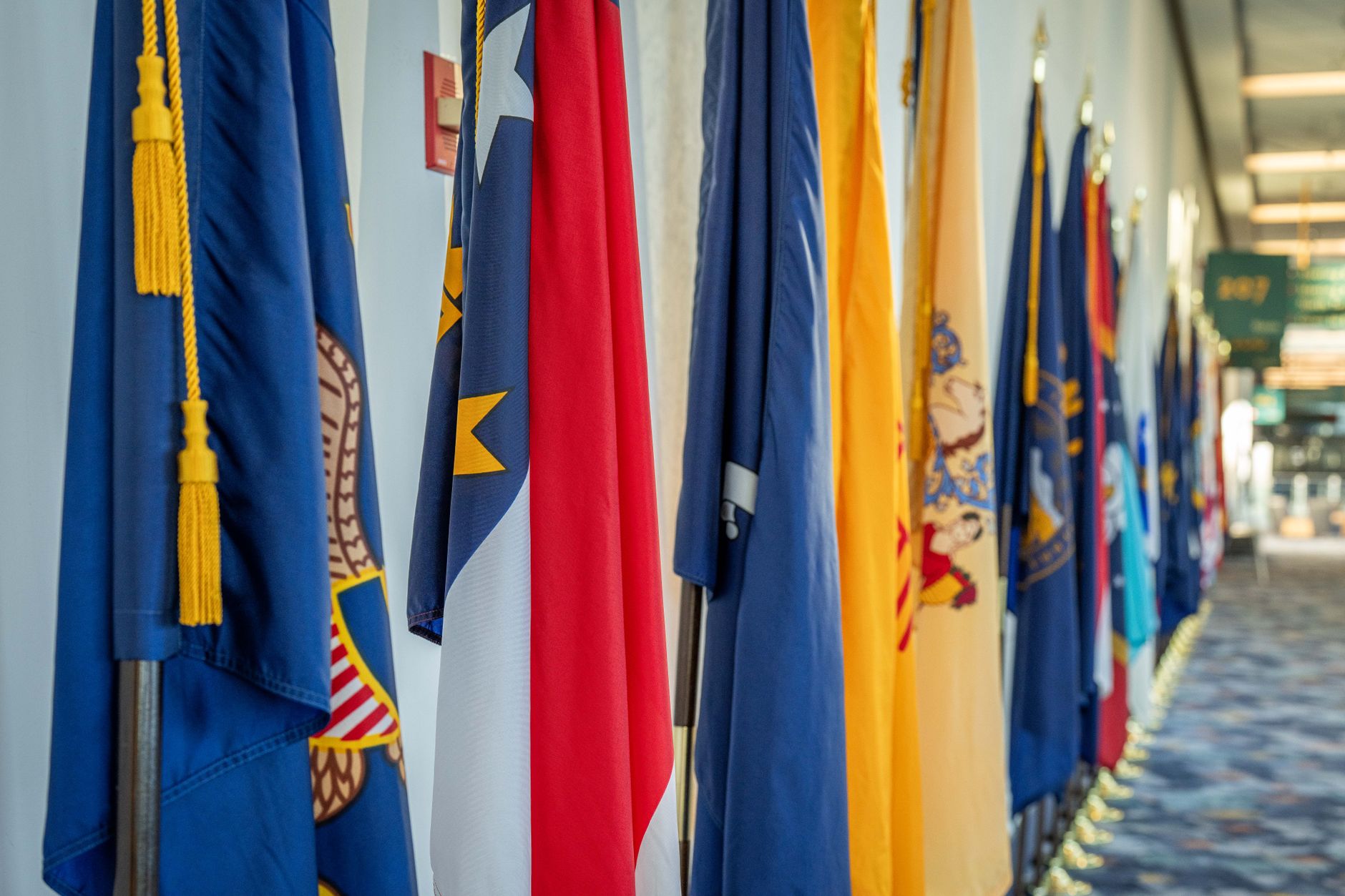
When it comes to making a bold visual statement at events, trade shows, or outside your business premises, few promotional tools are as immediately impactful as a custom flag. Whether you’re a Sydney-based corporation looking to brand a conference space, a Brisbane sporting club wanting to fly your colours on game day, or a Perth council preparing for a community festival, the demand for flags made in Australia continues to grow — and for good reason. Locally produced flags offer faster turnaround times, better quality control, and the confidence that comes from working with suppliers who understand Australian standards, conditions, and customer expectations.
This guide covers everything you need to know about ordering custom flags in Australia, from materials and decoration methods to minimum order quantities, typical budgets, and practical tips for getting the best results.
Why Choose Flags Made in Australia?
There’s a real and practical difference between sourcing flags from an overseas manufacturer and working with an Australian-based supplier. While offshore options can sometimes appear cheaper at face value, the hidden costs — extended shipping times, customs delays, quality inconsistencies, and communication barriers — often tip the scales in favour of local production.
Faster Turnaround for Time-Sensitive Events
Australian-based flag suppliers typically offer turnaround times of 5 to 15 business days for standard orders, with some suppliers offering expedited options for urgent needs. If you’re organising a conference in Melbourne next month or a trade show in Adelaide and you’ve left the flag order a little later than planned, local production is almost always your best bet. For context, offshore manufacturing and shipping can add three to six weeks on top of production time — which simply isn’t viable for most event timelines.
Quality That Suits Australian Conditions
Flags used outdoors in Australia need to withstand genuine conditions — UV exposure, coastal salt air, seasonal heat in Darwin and Brisbane, and the gusty winds common across southern states like Victoria and South Australia. Locally manufactured flags are often produced with Australian climate conditions in mind, using UV-resistant inks and durable fabrics designed to perform in real-world Australian environments.
Supporting Local Industry
For organisations in the government, education, and not-for-profit sectors, choosing locally made products aligns with procurement policies that prioritise Australian suppliers. Councils across Queensland and New South Wales, for example, are increasingly required to demonstrate a preference for locally sourced goods where feasible.
Types of Custom Flags Available
Before placing an order, it helps to understand the different flag formats and how they suit different purposes.
Feather and Teardrop Flags
Feather flags (sometimes called “blade flags”) and teardrop flags are among the most popular formats for events and retail environments. Their tall, narrow profiles make them highly visible from a distance, and they’re designed to be used with ground stakes, weighted bases, or cross-feet for stability. These are a staple at trade expos in Melbourne and Sydney, outdoor retail activations, and real estate open homes across the Gold Coast and Sunshine Coast.
Rectangle and Square Flags
Traditional rectangular flags are the go-to for flagpoles at business premises, government buildings, schools, and sporting venues. They come in a range of standard sizes — from small desk flags at around 15cm x 10cm all the way up to large outdoor flags exceeding 1800mm x 900mm — and can be produced with pole sleeves, rope-and-toggle attachments, or eyelets depending on your flagpole setup.
Table Flags and Mini Flags
For corporate boardrooms, reception desks, conference tables, or delegate gift packs, small table flags are an elegant branding option. They’re particularly popular in corporate gifting contexts, often paired alongside items like spiral notebooks or satchel bags to create a cohesive delegate pack.
Bow and Shark Fin Flags
These unique shapes offer a distinctive silhouette that helps brands stand out in crowded exhibition environments. Bow flags, in particular, are a popular choice for car dealerships, local councils, and outdoor festivals.
Decoration Methods for Custom Flags
The method used to apply your branding to a flag has a significant impact on both the final appearance and the longevity of the product.
Dye Sublimation Printing
Dye sublimation is by far the most common and recommended decoration method for flags. The process involves printing the design onto transfer paper using special dyes, then using heat and pressure to transfer the ink directly into the fabric fibres. The result is a vibrant, full-colour print that won’t crack, peel, or fade — making it ideal for flags that will be used repeatedly or stored outdoors for extended periods.
Sublimation allows for edge-to-edge printing, which means your design can cover the entire flag surface, including borders and backgrounds. This is a major advantage for flags where visual impact is critical.
Digital Printing
For flags requiring shorter print runs or more detailed photographic imagery, digital printing is a viable option. It doesn’t require the same level of colour consistency across large batches as sublimation, but it’s a solid choice for smaller quantities.
Screen Printing
While screen printing is not typically used for flags due to the nature of the fabric, it’s worth knowing that this method can sometimes apply to more rigid banner-style products. For most custom flags, sublimation will deliver far superior results. If you’re curious about setup costs for other printed merchandise in your campaign, our breakdown of screen printing setup costs for small business merchandise is a useful reference.
Minimum Order Quantities and Pricing
One of the most common questions from first-time buyers is: how many flags do I need to order? Minimum order quantities for flags made in Australia vary by supplier and flag type.
- Feather and teardrop flags: MOQs typically start at 1 unit, with significant price breaks at 5, 10, and 25 units
- Rectangular outdoor flags: MOQs often start at 1–5 units for standard sizes
- Table flags: MOQs are generally 25–50 units for custom production
Pricing varies widely depending on size, quantity, and whether hardware (bases, poles, carry bags) is included. As a rough guide, a single-sided full-colour feather flag with a ground stake can start from around $80–$120 per unit at low quantities, dropping significantly at higher volumes.
It’s worth noting that hardware — poles, weighted bases, carry bags — often adds to the overall cost and should be factored into your budget from the outset.
Artwork and Setup Requirements
Getting your artwork right before submission will save time and avoid costly reprints. Here’s what most Australian flag suppliers will require:
- File format: AI, EPS, or high-resolution PDF (minimum 150–300 DPI at final size)
- Colour mode: CMYK for print — RGB files can result in unexpected colour shifts
- Bleed area: Most suppliers require 5–10mm bleed beyond the flag edge for trimming
- Colour matching: PMS (Pantone) references are important if brand colour accuracy is critical
If you’re managing a campaign that spans multiple product types — flags, apparel, and tech accessories, for example — maintaining consistent brand colours across all items is essential. Consider how your flag colours will pair with items like tech jackets or trucker caps in your overall event merchandise suite.
Practical Tips for Ordering Custom Flags
Getting the most from your flag order comes down to careful planning. Here are some key considerations:
Request a physical sample or digital proof first. For large orders or critical events, it’s worth requesting a digital proof — and ideally a physical sample — before committing to full production. Most reputable Australian suppliers will offer this service.
Consider single-sided vs. double-sided printing. Single-sided flags show the design on one face only, with a mirrored reverse visible from the back. Double-sided flags (with a blackout liner) show the correct design on both faces and are worth the additional investment for high-visibility locations.
Think about storage and reuse. A quality flag with proper carry bags and hardware can be used repeatedly across multiple events, significantly lowering the cost-per-use over time. This is especially relevant for businesses attending regular trade shows or councils running seasonal community events.
Bundle with other branded merchandise. Flags work well as part of a broader branded event package. Think about complementary products like wholesale branded bags, stubby holder printing for outdoor events, or trucker caps custom for a coordinated team or sponsor look. Local businesses on the Sunshine Coast sourcing branded merchandise often find that bundling orders saves on setup fees and shipping costs.
Check lead times carefully for peak periods. Lead times can blow out significantly around Australian public holiday periods, the end of the financial year, and the pre-Christmas event season. If your event falls in November or December, place your flag order at least six to eight weeks in advance.
For organisations combining digital and physical brand touchpoints at events, don’t overlook tech accessories like promotional tablet stands in Sydney or Brisbane to create a cohesive exhibition stand setup alongside your flags. Likewise, pairing flags with promotional USB drives or a pulse wireless charger creates a memorable, multi-touchpoint brand experience for delegates.
Conclusion: Key Takeaways for Ordering Flags Made in Australia
Custom flags are a powerful, versatile branding tool for Australian businesses, organisations, and event planners — and choosing flags made in Australia gives you the advantages of faster delivery, local quality standards, and supplier accountability. Here’s a summary of what to keep in mind:
- Plan ahead: Allow a minimum of 5–15 business days for production, and more during peak periods
- Choose dye sublimation: For full-colour, durable flags, sublimation printing is the gold standard decoration method
- Get your artwork right: Supply CMYK, high-resolution files with bleed to avoid reprints and delays
- Factor in hardware costs: Poles, bases, and carry bags add to the total — budget for the complete package
- Think long-term: A well-made flag reused across multiple events offers excellent return on investment compared to single-use alternatives
- Bundle strategically: Combining flags with complementary branded products maximises your setup fee efficiency and creates a more cohesive brand presence
Whether you’re outfitting a conference, branding a retail activation, or building a trade show stand that turns heads, Australian-made flags are an investment worth making properly.