
Sew On Clothes Patches: The Complete Guide for Australian Organisations
Discover how sew on clothes patches work, which organisations benefit most, and how to order custom patches for your team or event in Australia.

Written by
Kai Williams
Custom Apparel
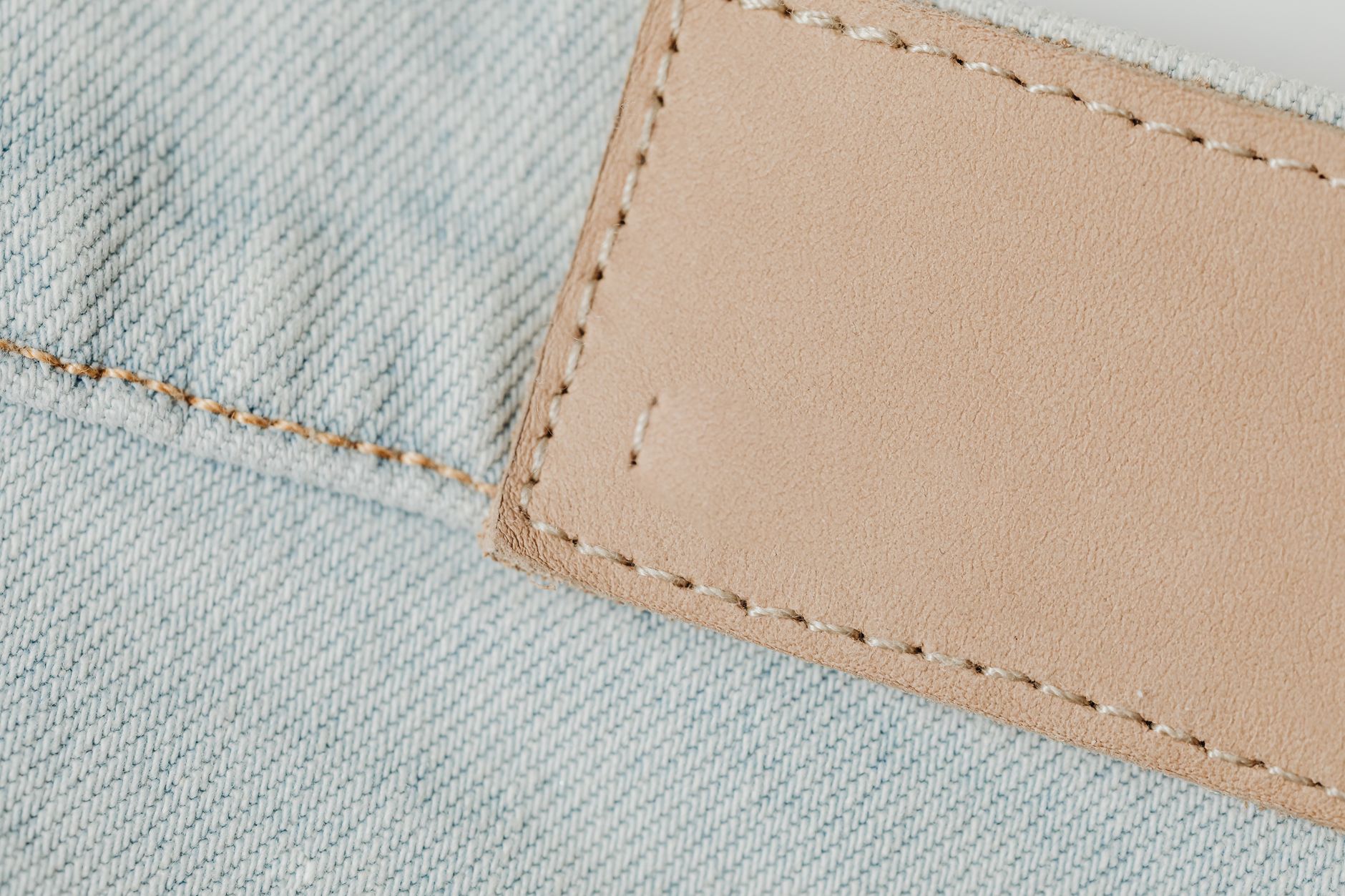
Whether you’re kitting out a sporting club in Perth, adding branding to school uniforms in Brisbane, or customising workwear for a Melbourne-based trade team, sew on clothes patches offer one of the most durable and visually striking ways to display a logo, badge, or emblem. Unlike printed decoration methods that can crack or fade over time, a quality sewn patch becomes part of the fabric itself — built to last through countless wash cycles, outdoor conditions, and daily wear. This guide covers everything Australian businesses, schools, sporting clubs, and event organisers need to know before placing a custom patch order.
What Are Sew On Clothes Patches and How Do They Work?
Sew on clothes patches are pre-made fabric embellishments that are stitched directly onto a garment or accessory. They typically consist of an embroidered, woven, or printed design on a fabric base, with a flat backing that allows a sewer — whether by hand or machine — to attach them securely to almost any textile surface.
The attachment method is what sets sew on patches apart from iron-on or adhesive alternatives. Rather than relying on a heat-activated glue, sew on patches are physically stitched around the perimeter or through the body of the patch itself. This makes them significantly more resistant to peeling, lifting, and wear — a critical advantage for garments that endure regular use, like school sports uniforms, hi-vis workwear, or outdoor event staff jackets.
Common Types of Sew On Patches
There are several patch construction styles worth understanding before you order:
- Embroidered patches – The most popular option. Thread is stitched into a twill, felt, or canvas backing to create a dimensional, textured logo. These suit bold, graphic-style designs and look exceptional on caps, jackets, and polo shirts.
- Woven patches – A finer alternative to embroidery, where the design is woven directly into the fabric at a higher thread count. Ideal for intricate artwork with small text or fine detail.
- PVC patches – Made from moulded rubber or soft PVC, these are three-dimensional and extremely durable. Popular for tactical, outdoor, and adventure-focused organisations.
- Printed patches – Use sublimation or digital printing on a fabric base. Best suited to photographic images or complex colour gradients that embroidery can’t replicate.
- Chenille patches – A classic varsity-style patch made from fluffy chenille yarn, traditionally associated with sports teams and academic achievement awards.
Each style suits different applications, so it’s worth thinking carefully about where the patch will live and what impression you want to create before committing to a construction type.
Why Australian Organisations Are Choosing Sew On Clothes Patches
The resurgence of patches in Australian merchandise and uniform programs isn’t a trend — it’s a recognition that quality and permanence matter. Here’s why so many local organisations are incorporating them into their branded apparel programs.
Sporting Clubs and Associations
From AFL grassroots clubs in Adelaide to surf life saving associations along the Gold Coast, patches are a staple of sporting culture. A custom embroidered club crest on a training jacket or polo communicates pride, unity, and identity. Unlike printed logos that may deteriorate after a season, a sewn patch retains its appearance year after year.
Patches are also easy to transfer between garments. If a club updates its apparel supplier or switches uniform styles, patches can be removed and re-sewn onto the new garments — saving the club from reprinting costs.
Schools and Educational Institutions
Primary and secondary schools across New South Wales, Queensland, and Victoria regularly use sew on patches for school crests, sports house identifiers, and achievement badges. Many schools prefer patches over direct garment printing because they maintain a traditional, formal look that parents and school communities associate with institutional pride.
Patches integrate naturally into school uniform programs. They can be applied to blazers, jumpers, sports bags, and caps with consistency across the full uniform range. If you’re exploring broader options for school merchandise, our guide to custom graduation caps and gowns covers another popular area of school and university apparel branding.
Corporate Teams and Workwear Programs
Businesses that need consistent branding across large teams — particularly those in construction, logistics, hospitality, and field services — use patches to brand polo shirts, hi-vis vests, fleece jackets, and caps. Patches are particularly useful when a business uses multiple garment suppliers or needs to add branding to stock purchased separately from the decoration process.
A Sydney-based facilities management company, for example, might order 500 embroidered patches to be stitched onto garments purchased locally by each state team — a far more flexible approach than centralised, decorated apparel that needs to ship nationally.
Events and Conferences
Merchandise coordinators planning conferences, trade shows, or community events in Canberra, Darwin, or Hobart increasingly use limited-edition patches as collectibles or attendee keepsakes. These are typically applied to tote bags, caps, lanyards, or event jackets — giving participants something genuinely memorable rather than another pen or flyer.
Artwork and Design Considerations
Getting your artwork right is one of the most important steps in the patch ordering process. Here’s what to keep in mind:
Simplify Your Design for Embroidery
Embroidery and weaving work best with bold, clean artwork. Fine details, thin lines, and photographic elements don’t translate well into thread. If your logo includes a complex gradient or highly detailed illustration, your decorator will usually suggest a simplified vector version — or recommend switching to a printed or woven patch instead.
Supply your artwork as a vector file (AI, EPS, or PDF) wherever possible. This allows the patch manufacturer to scale the design accurately without loss of quality.
Colour Matching
Embroidery thread colours are matched to standard thread colour systems (such as Madeira or Isacord thread charts), which don’t align directly with PMS colour references used in print. Most suppliers will get close, but it’s worth requesting a physical or digital proof before approving a large order. If precise colour accuracy is critical — such as for a government department or national sporting body — discuss this with your supplier upfront.
Size and Shape
Standard patch sizes range from 50mm to 120mm in diameter or width, with custom shapes available to match your logo outline. Shaped patches (die-cut to a specific silhouette) typically cost slightly more than standard rectangular or circular formats but create a far more polished result.
Ordering Sew On Clothes Patches: What to Expect
Minimum Order Quantities
Most Australian patch suppliers work with minimum order quantities (MOQs) starting around 50 to 100 units, though this varies by construction type. Woven and embroidered patches are well-suited to bulk ordering — the more you order, the lower the unit cost. For a sporting club ordering 200 patches, unit prices can drop significantly compared to a run of 50.
Turnaround Times
Custom patch production typically involves a digitising or artwork setup phase, a pre-production proof, and then manufacturing and delivery. Standard turnaround from proof approval is usually 10 to 21 business days for offshore production, though Australian-based suppliers may offer faster options for smaller runs. If you’re working toward a hard deadline — a season start, a conference date, or a school term — factor in at least four to six weeks from artwork submission to delivery.
Setup Fees
Most suppliers charge a one-off setup or digitising fee to convert your artwork into an embroidery file or weaving pattern. This fee is generally charged once per design and doesn’t apply to future reorders of the same patch. It’s a worthwhile investment if you plan to order patches regularly.
Application Options
When you receive your sew on patches, you’ll need to either apply them in-house or engage a local seamstress, tailor, or decorated apparel supplier to stitch them onto your garments. Many promotional merchandise suppliers can arrange garment application as part of their service — worth asking about when you place your order.
Getting the Most Value from Your Patch Order
A few practical strategies can help you stretch your budget and improve outcomes:
- Order larger quantities upfront – If you know you’ll need patches over the next 12 months, order the full quantity in one run. The setup fee is fixed, so larger runs bring the per-unit cost down considerably.
- Use patches across multiple products – The same patch design can be applied to jackets, caps, bags, and accessories, giving you a cohesive branded range without re-ordering separately decorated items.
- Plan reorders early – Production lead times mean that last-minute reorders can catch teams off guard. Keep a buffer stock and reorder when you reach 20–30% remaining.
- Pair patches with other branded merchandise – Patches work beautifully alongside complementary items. For instance, a golf club might pair embroidered patches on polo shirts with personalised golf balls for a fully branded member experience.
Conclusion: Key Takeaways for Ordering Sew On Clothes Patches
Sew on clothes patches remain one of the most enduring and versatile branding solutions available to Australian organisations. Whether you’re managing uniforms for a Queensland school, equipping a corporate field team in Perth, or producing commemorative merchandise for a national conference in Melbourne, patches offer a quality finish that printed decoration often can’t match over time.
Here’s a summary of what to take away from this guide:
- Choose the right patch type for your application — embroidered patches suit most uses, while woven patches work better for fine detail, and PVC suits rugged outdoor environments.
- Prepare clean, simplified vector artwork — complex designs won’t translate well into thread or weaving, so work with your supplier on a patch-ready version of your logo.
- Allow adequate lead time — four to six weeks from artwork to delivery is a realistic expectation for most custom patch orders in Australia.
- Order in bulk to reduce per-unit costs — the fixed setup fee makes larger quantities far more economical, so plan your full annual requirements if possible.
- Consider how patches integrate with your broader merchandise program — a cohesive branded kit, from garments to accessories, creates a far stronger impression than individual items ordered in isolation.
With the right approach and a reliable supplier, sew on clothes patches can become a cornerstone of your organisation’s branded apparel strategy — one that delivers lasting quality and genuine pride of ownership across your team.