
T-Shirt and Print: The Complete Guide to Custom Branded Tees in Australia
Discover how to create stunning custom printed t-shirts for your Australian business or event. Tips on print methods, MOQs, budgets & more.

Written by
Kai Williams
Custom Apparel
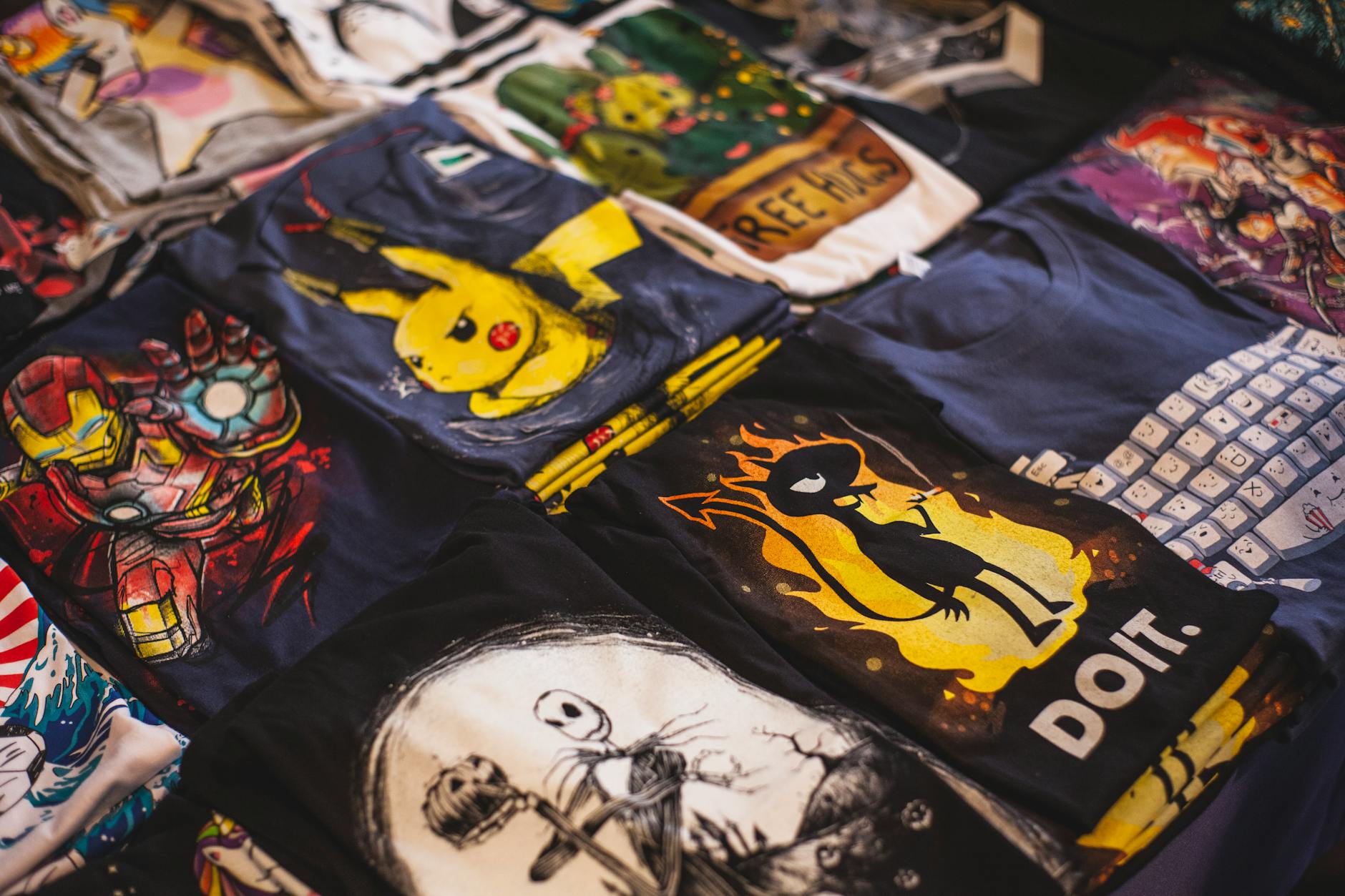
Getting a t-shirt and print combination right sounds straightforward — choose a shirt, slap on a logo, done. But anyone who has managed a branded merchandise project knows there’s a lot more to it than that. From selecting the right fabric weight and fit to choosing a decoration method that will actually survive the wash cycle, custom printed tees involve a surprising number of decisions. And when you’re ordering for a business, school, sporting club, or major event, those decisions matter even more. This guide covers everything Australian organisations need to know about ordering custom printed t-shirts — from first brief to finished product.
Why Custom Printed T-Shirts Remain the Cornerstone of Branded Merchandise
There’s a reason the humble t-shirt has remained the most popular promotional product for decades. It’s wearable advertising with legs — quite literally. When someone wears your branded tee to the shops, a footy match, or a school fundraiser, your organisation’s name is out in the world doing work for you. Research consistently shows that wearable merchandise generates some of the highest brand impressions per dollar of any promotional item, and branded t-shirts are no exception.
For Australian organisations specifically, the t-shirt’s appeal is even more logical. Our climate, casual culture, and love of outdoor events make tees a year-round staple from Darwin to Hobart. A Brisbane primary school handing out custom sports day tees, a Sydney tech startup kitting out their team for a trade show, a Gold Coast charity running a fun run — all of these use the t-shirt and print formula for exactly the same reason: it’s versatile, cost-effective, and universally recognised.
Understanding how to leverage that versatility, though, requires knowing how the printing process works.
Understanding Your T-Shirt and Print Options: Decoration Methods Explained
The decoration method you choose will shape how your design looks, how long it lasts, and how much it costs. Here’s a breakdown of the most common approaches used in Australia.
Screen Printing
Screen printing is the industry workhorse for a reason. It produces vivid, durable results and becomes extremely cost-effective at volume. Each colour in your design requires a separate screen, so setup costs apply — but once those screens are made, the per-unit cost drops significantly as quantity rises.
This method is ideal for simple designs with one to six solid colours. Think bold logos, team names, and event branding. If you’re ordering 50 or more tees for a Melbourne corporate event or an Adelaide sporting club, screen printing almost always delivers the best value. For a closer look at what to expect financially, our guide to screen printing setup costs for small business merchandise breaks down the numbers clearly.
Direct-to-Garment (DTG) Printing
DTG printing uses inkjet technology to print directly onto fabric, allowing for full-colour, photographic-quality designs with no setup fees. It’s perfect for small runs — even single units — and for artwork that uses gradients, complex illustrations, or many colours.
The trade-off is cost at scale. DTG tends to be more expensive per unit than screen printing when ordering in bulk, and results can vary slightly between garment colours (it works best on white or light-coloured fabrics). That said, for organisations who need promotional products with no minimum quantity, DTG is often the most accessible starting point.
Heat Transfer and Vinyl
Heat transfer printing applies a design using heat and pressure. It’s commonly used for names and numbers on sports uniforms, or for smaller runs where screen printing setup fees aren’t justified. Vinyl transfers can achieve striking results but may crack or peel over time if garments are washed frequently at high temperatures.
Sublimation Printing
Sublimation is a specialist method that infuses dye directly into polyester fabric, creating designs that are essentially part of the garment rather than sitting on top. The results are vibrant and extremely durable, with no cracking or fading. The catch? It only works on white or very light polyester, making it better suited to performance sportswear than standard cotton tees. Teams ordering tech jackets or performance activewear often explore sublimation as part of a broader uniform solution.
Embroidery
While technically not “printing,” embroidery is worth mentioning here because it’s frequently used alongside printed tees in branded merchandise orders. Embroidery produces a premium, textured finish ideal for polos, caps, and jackets — though it’s less suited to detailed or photographic designs. For branded merchandise collections that combine tees with trucker caps or tees brand products, mixing print on tees with embroidery on headwear is a popular professional approach.
Choosing the Right T-Shirt: Fabric, Fit, and Quality
The print method is only half the story. The garment itself matters enormously. Here are the key considerations.
Fabric Weight and Composition
T-shirts are typically measured in grams per square metre (GSM). A lightweight tee (120–150 GSM) suits event merchandise or warm Queensland weather, while a mid-weight (160–180 GSM) is the sweet spot for most corporate and promotional applications. Heavyweight tees (190 GSM+) feel premium and are often preferred for retail-style branded merch.
Cotton is breathable and prints beautifully. Polyester wicks moisture and holds sublimation colour better. Cotton-poly blends offer a practical compromise. For charity fun runs or outdoor events, moisture-wicking polyester blends are often the right call.
Fit and Sizing
Australian sizing expectations have evolved. Boxy “classic” fits still work for event tees and workwear, but many organisations now opt for modern cut or slim-fit styles when producing branded merch intended to be worn beyond the event itself. Always request a size chart and consider ordering samples before committing to a full run — especially if you’re ordering unisex styles that need to flatter a diverse audience.
Colour and Brand Matching
If your organisation has specific brand colours, work with your supplier to achieve PMS (Pantone Matching System) colour matching in your print. This is particularly important for screen printing, where ink colours are mixed to specification. DTG printing doesn’t offer the same precision for colour matching, which is worth factoring in when choosing your method.
Practical Ordering Advice for Australian Organisations
Getting from design to doorstep involves more than just choosing a shirt and a print method. Here’s what to keep in mind.
Artwork Requirements
Most decorators require vector artwork files (typically .AI or .EPS format) for screen printing and embroidery. If your logo only exists as a JPEG or PNG, you may need a graphic designer to redraw it. For DTG printing, high-resolution raster files (300 DPI or higher) are usually acceptable. Always check artwork requirements before you finalise your brief.
Minimum Order Quantities
Screen printing typically carries a minimum order quantity (MOQ) of 25–50 units per design per colour, though this varies between suppliers. DTG can accommodate orders as small as a single piece. If you’re a small business or community organisation exploring your options, understanding promotional product companies and what they offer in terms of minimums can save significant time and frustration.
Turnaround Times
Standard production for screen-printed tees in Australia runs anywhere from 10 to 15 business days after artwork approval. Rush services are available but generally attract a premium. If you’re ordering for a specific event — a Canberra conference, a Perth trade show, or a Melbourne product launch — build in buffer time and confirm production timelines upfront.
Budgeting Realistically
Per-unit costs drop significantly with volume. A basic single-colour screen-printed tee might cost $12–$20 each for a run of 50, but drop to $6–$10 per unit at 200 pieces. Factor in setup fees (typically $30–$60 per screen per colour), freight, and any artwork costs. For organisations new to the process, reviewing how promotional products support brand awareness can help justify the investment internally.
Pairing Your Tees with Complementary Branded Products
Custom tees work brilliantly as part of a wider merchandise mix. Organisations running events or building staff uniform packs often pair branded tees with wholesale branded bags, stubby holder printing for outdoor events, or promotional USB drives for conference delegate packs.
For corporate gifting contexts — where the t-shirt and print combination might be just one element of an onboarding kit or client gift — consider rounding out the package with complementary items like a solar power bank, a pulse wireless charger, or branded stationery. Staying across promotional stationery trends in Australia is a good way to ensure your full merchandise offer feels current and thoughtful.
Businesses on the Sunshine Coast and beyond can also explore region-specific suppliers — our guide to Sunshine Coast branded merchandise for local businesses is a useful starting point for locally-focused sourcing. Similarly, organisations in Victoria can browse options through promotional products in Melbourne.
For eco-conscious organisations, pairing tees with sustainable products like recycled plastic sunglasses for beach cleanup events reinforces brand values cohesively across the full merchandise range.
Conclusion: Key Takeaways for Getting Your T-Shirt and Print Order Right
Custom printed t-shirts remain one of the smartest branded merchandise investments available to Australian businesses, schools, sporting clubs, and event organisers. When done well, the t-shirt and print combination delivers outstanding value, impressive brand reach, and a product that recipients genuinely want to wear.
Here are the most important things to remember:
- Choose your decoration method based on quantity, design complexity, and fabric type — screen printing wins on volume and simplicity, while DTG suits small runs and complex artwork.
- Invest in quality garments — a well-fitted, mid-weight tee will be worn far more often than a cheap, uncomfortable alternative, multiplying your brand exposure.
- Prepare proper artwork files — vector files for screen printing and embroidery, high-resolution rasters for DTG; getting this right upfront avoids delays and additional costs.
- Plan your timeline carefully — allow at least two to three weeks from artwork approval to delivery, and build in buffer time for events with fixed deadlines.
- Think beyond the tee — a custom printed t-shirt lands better when it’s part of a cohesive branded merchandise package that reflects your organisation’s identity and values.
With the right preparation and supplier relationship, your next t-shirt and print project can be one of the most effective branded merchandise decisions your organisation makes this year.