
Event Merchandise for Open Days in Sydney: Your Complete Planning Guide
Discover the best event merchandise ideas for open days in Sydney, with practical tips on products, budgets, and ordering for every organisation.

Written by
Sophie Nakamura
Event Merchandise
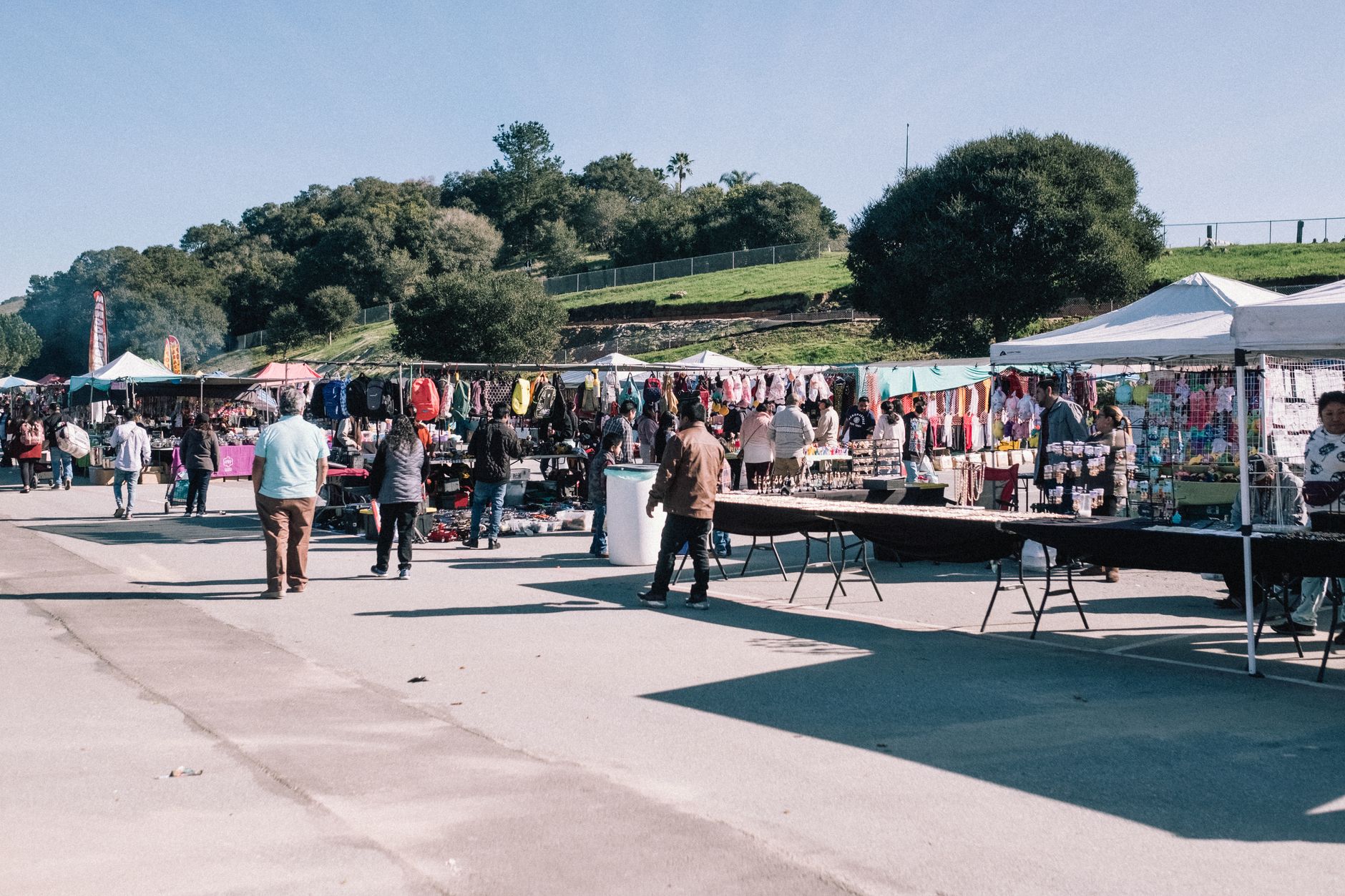
Planning an open day in Sydney is no small feat. Whether you’re a university in Parramatta gearing up for a student intake event, a private school in the North Shore hosting prospective families, a government agency in the CBD running a community engagement session, or a real estate developer launching a new project in the Inner West — your open day is a prime opportunity to make a lasting impression. And one of the most effective ways to do that? Strategic, well-chosen event merchandise that puts your brand in people’s hands long after the day is done.
Open days are high-footfall, high-energy occasions. Visitors are absorbing a lot of information, making important decisions, and forming opinions about your organisation. The right branded merchandise can reinforce your message, create a tangible connection to your brand, and give attendees something genuinely useful to take home. In this guide, we’ll walk through everything you need to know about sourcing event merchandise for open days in Sydney — from product selection and decoration methods to ordering timelines and budget planning.
Why Event Merchandise Matters at Sydney Open Days
Sydney is one of Australia’s most competitive event landscapes. Whether you’re running an open day at a university campus in Camperdown, a community facility in Penrith, or a corporate office in North Sydney, you’re likely competing with dozens of other organisations for attention, foot traffic, and ultimately — commitment from your audience.
Merchandise plays a psychological role that signage and brochures simply can’t replicate. When someone picks up a branded tote bag, tries on a branded cap, or fills a branded drink bottle with water at your event, they’re beginning a tactile relationship with your brand. Studies consistently show that promotional products are among the most recalled forms of marketing, and for good reason — people keep and use them.
For open days specifically, the right merchandise also serves a practical function. Visitors often arrive with children, travel between multiple stalls or information booths, and leave with handfuls of printed material. A wholesale branded bag becomes immediately useful in this context, giving people somewhere to put all that content — and ensuring your logo travels home with them at the end of the day.
Choosing the Right Products for Your Open Day Audience
Not all merchandise is created equal, and the best choices for your Sydney open day will depend heavily on your audience, your brand, and your budget. Here’s how to think through your selection.
Schools and Universities
Educational institutions hosting prospective student open days have a specific challenge: they need to appeal simultaneously to students (typically teenagers or young adults) and their parents or guardians. That often means offering two tiers of merchandise.
For students, items with a strong lifestyle appeal tend to perform well. Think custom caps — particularly trucker-style caps — branded tote bags, and tech accessories like promotional USB drives pre-loaded with course information, campus maps, or digital prospectuses. For parents, practical items like branded pens, notepads for jotting down information, and lanyards holding the day’s schedule work well.
A Sydney university running an open day across multiple faculties, for example, might distribute different coloured tote bags to different study areas — making it easy to navigate the campus while reinforcing faculty branding. Custom lanyards are another staple in this setting; our guide to custom made lanyards covers everything from material choices to attachment options and turnaround times.
Corporate and Government Open Days
Corporate organisations and government departments hosting community or stakeholder events in Sydney generally need merchandise that projects professionalism and trustworthiness. Eco-friendly items are increasingly popular in this sector, particularly for councils and government bodies with sustainability commitments.
Reusable items like branded coffee cups, drink bottles, and tote bags align well with environmental messaging. If your organisation has a green focus, consider diving into our overview of compostable promotional items for green businesses — these can be a standout choice that generates genuine conversation on the day.
For community engagement open days (think infrastructure project consultations or council planning events), budget-friendly items like branded pens and notepads are practical. Attendees are often there to fill in surveys, ask questions, and take notes — give them the tools to do exactly that with your branding on them.
Real Estate and Property Development Open Days
Property developers and real estate agencies hosting open days or project launches in Sydney are often working with high-value audiences — potential buyers or investors making significant financial decisions. This calls for merchandise that feels premium without being ostentatious.
Branded items like quality keep cups, glass drink bottles, and bamboo stationery sets feel elevated and align with the aspirational messaging most property projects require. Interestingly, branded gifts like promotional plant pots are a thoughtful, on-brand choice for real estate events focused on lifestyle and home — particularly for projects in leafy suburbs or coastal developments north or south of Sydney.
Decoration Methods: What Works Best for Open Day Merch
Choosing the right decoration method for your merchandise is just as important as choosing the right product. Here’s a quick breakdown of the most common methods and when to use them for event merchandise.
Screen Printing
Screen printing is the go-to for large-volume, budget-conscious runs of items like t-shirts, tote bags, and caps. It produces vibrant, durable results and becomes very cost-effective at higher quantities. For a Sydney open day expecting 500 or more visitors, screen printing on carry bags or apparel is often the most economical path.
Embroidery
Embroidery adds a premium feel and is particularly suited to caps, polo shirts, and jackets. If your open day includes staff wearing branded uniforms, embroidered apparel projects professionalism and longevity. The textured, three-dimensional quality of embroidery also reads as more premium than print to many audiences.
Laser Engraving and Pad Printing
Hard goods like metal drink bottles, USB drives, and pens are typically decorated via laser engraving or pad printing. Laser engraving produces a sophisticated, permanent result that works beautifully on metal and timber surfaces. Pad printing handles curved surfaces and smaller items like promotional pens with great precision.
Planning Your Order: Timelines, MOQs, and Budgets
This is where many open day organisers run into trouble — leaving merchandise ordering too late, or underestimating what’s involved. Here’s what you need to know.
Allow Sufficient Lead Time
For most standard branded merchandise, you’ll want to allow a minimum of two to three weeks from artwork approval to delivery in Sydney. If your items require custom production, offshore manufacturing, or complex decoration, four to six weeks is more realistic. Rush orders are possible with some suppliers, but they typically incur premium charges and limit your product options.
If your open day falls close to a major event period — think the start of the university year in February, or school term open days in July — order early. Supplier capacity fills up fast.
Understand Minimum Order Quantities
Most branded merchandise has a minimum order quantity (MOQ). For screen-printed tote bags, MOQs are often around 50–100 units. For embroidered caps, 12–24 units is common. For custom lanyards, MOQs can be as low as 50 pieces.
If you’re running a smaller open day with 100–150 expected attendees, factor MOQs into your planning to avoid over-ordering. Conversely, if your Sydney open day is a large-scale event with 1,000 or more visitors, buying in bulk will dramatically reduce your per-unit cost.
Budget Considerations
A practical approach is to allocate merchandise budget based on expected attendee numbers and the role each item plays. Not every visitor needs a premium item. A two-tier approach works well: a mid-range item distributed broadly (such as a branded pen or notebook), and a premium item reserved for qualified leads or VIP visitors (such as a branded keep cup or quality tote bag).
For events with a community or family focus — say, a school open day in the Eastern Suburbs — fun items like branded stubby holders (for parent sausage-sizzle vibes) can add a warm, approachable tone. Our article on personalised stubby holders with photo explores some creative personalisation ideas that could work well for smaller community events.
Seasonal and Themed Merchandise for Sydney Open Days
Timing your merchandise to align with broader themes or seasons can add another layer of relevance. An open day held during National Reconciliation Week, for example, is an opportunity to incorporate culturally meaningful merchandise that acknowledges First Nations culture — our guide to National Reconciliation Week branded items for events has some thoughtful suggestions worth exploring.
Similarly, if your event has a specific identity or runs alongside another activation — a fun run, for instance — crossover merchandise can work brilliantly. Our post on custom event merchandise for colour runs demonstrates how branded event merchandise can amplify a community experience in memorable ways.
Getting Your Artwork and Branding Right
Before you place any order, ensure your artwork is prepared to supplier specifications. Most suppliers require vector files (typically .AI or .EPS formats) for print decoration, and will request your logo in full colour, single colour, and reversed (white) versions. If you’re matching brand colours precisely, provide your PMS (Pantone Matching System) colour codes to your merchandise supplier — this is especially critical for government departments and schools with strict brand guidelines.
Always request a digital proof before signing off on production. This adds a day or two to your timeline but can save you from costly errors — particularly with text, sizing, or colour representation on unfamiliar products.
Conclusion: Key Takeaways for Open Day Merchandise in Sydney
Sourcing the right event merchandise for open days in Sydney doesn’t need to be overwhelming. With the right planning, product selection, and partner, your branded items can become a genuinely powerful part of your open day experience. Here’s a summary of the most important points to take away:
- Start early. Allow at least two to four weeks for standard orders; more for complex or large-scale requirements — especially during peak periods like semester starts or major community event seasons in Sydney.
- Match your merchandise to your audience. Schools, universities, councils, real estate agencies, and corporate organisations all have different audiences with different expectations. Choose products that genuinely resonate.
- Think practically. The best open day merchandise solves a problem for the visitor — it carries their things, holds their name tag, notes their questions, or refreshes them on a warm Sydney afternoon.
- Use decoration wisely. Screen printing suits high-volume apparel and bags; embroidery adds premium feel to caps and polo shirts; laser engraving suits hard goods and gifts.
- Don’t neglect the details. Artwork files, PMS colour matching, proof approvals, and MOQs all affect your final outcome. Build these into your planning timeline from the start.
With these foundations in place, your Sydney open day merchandise will do far more than fill a goodie bag — it’ll carry your brand message well beyond the event itself.