
Pad Printing on Custom Pens in Australia: The Complete Guide for Businesses
Learn how pad printing on custom pens works in Australia — covering costs, MOQs, artwork tips, and how to choose the right pen for your brand.

Written by
Mia Chen
Branding & Customisation
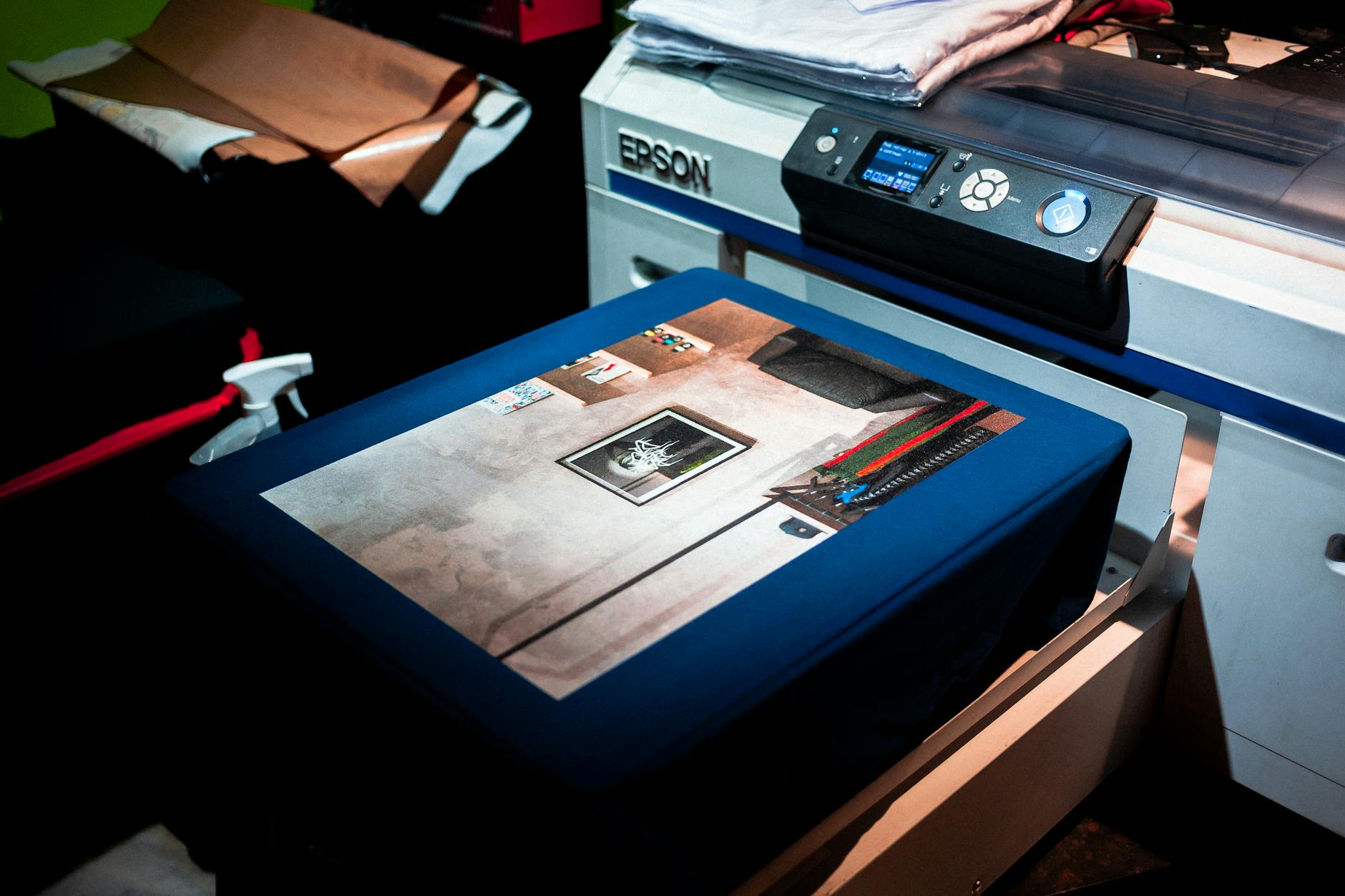
When it comes to promotional products that deliver genuine value for money, few items match the humble branded pen. They’re used every day, passed between hands, and kept long after an event or meeting has wrapped up. But here’s the thing — a pen with a smudged, faded, or poorly placed logo does your brand more harm than good. That’s where understanding pad printing on custom pens in Australia becomes genuinely important. Whether you’re ordering 500 pens for a Gold Coast trade show or 5,000 for a national conference, understanding this decoration method will help you get a sharper result, avoid costly mistakes, and make the most of your merchandise budget.
What Is Pad Printing and Why Is It Used on Pens?
Pad printing is a specialist indirect printing process that transfers ink from an etched plate (called a cliché) onto a three-dimensional surface via a silicone pad. The pad picks up ink from the etched design, then presses it onto the surface of the product — conforming to curves, recesses, and irregular shapes in a way that flat printing simply cannot.
This makes it the go-to decoration method for cylindrical items like pens. A pen barrel is curved, relatively narrow, and requires precise ink placement. Pad printing handles all of this with excellent consistency across large runs.
How Pad Printing Differs From Other Methods
It’s worth understanding how pad printing compares to other decoration options you might encounter when ordering custom stationery in Australia:
- Screen printing works well on flat or slightly curved surfaces (like the side of a drink bottle or a bag), but it’s not ideal for the tight, narrow barrel of a pen.
- Laser engraving removes material to create a permanent mark — suitable for metal pens, but not available on plastic barrels.
- Digital printing can produce full-colour photographic detail but typically requires a flatter, smoother surface to adhere properly.
- Debossing is used on soft items like leather notebook covers, not rigid pen barrels.
For the vast majority of promotional pens — whether plastic ballpoints, stylus pens, or recycled plastic options — pad printing is the most practical, cost-effective, and visually reliable method available. If you want to explore how these methods stack up across different products, our guide to screen printing setup costs for small business merchandise covers the broader cost picture well.
Understanding the Pad Printing Process for Custom Pens
Getting a quality result from pad printing starts well before ink touches your pen. Here’s how the process typically unfolds for Australian businesses.
Artwork Preparation
Your artwork file needs to be vector format — ideally an .ai (Adobe Illustrator) or .eps file. Vector artwork ensures clean lines at any scale and allows the printer to accurately etch the cliché plate. Sending through a low-resolution JPEG or PNG often leads to soft edges and muddy detail in the final print.
Most reputable Australian suppliers will accept PDF files as long as they’re saved with outlined fonts and embedded images. If you’re working with a designer, ask them to prepare your files to these specifications before submission.
A few important artwork considerations:
- Pad printing on pens is typically limited to one or two colour areas per print location. Most standard pens accommodate a single-colour print as the default.
- The print area on a standard ballpoint pen barrel is generally around 40mm x 6mm — small but enough for a logo, business name, website, and phone number if the design is clean and well-kerned.
- PMS (Pantone Matching System) colours are used to ensure colour accuracy. Always specify PMS codes rather than relying on CMYK or RGB values, which can shift depending on screen calibration.
Colour Matching and Ink Selection
One of pad printing’s real strengths is its ability to match specific brand colours accurately using PMS matching. For businesses with strict brand guidelines — say, a Melbourne law firm or a Perth mining services company — this level of precision matters enormously. Your navy blue should look like your navy blue, not a generic approximation.
That said, printing on coloured pen barrels introduces its own variables. A white ink on a black barrel behaves differently from a black ink on a white barrel. Your supplier should be able to show you a digital proof — and ideally a physical pre-production sample — before committing to a full production run.
Minimum Order Quantities, Pricing, and Turnaround Times
One of the most common questions we hear from Australian businesses ordering branded pens for the first time is: “How many do I need to order, and what will it cost?”
Minimum Order Quantities (MOQs)
For pad printed custom pens in Australia, MOQs typically start at 100 units for standard plastic ballpoints. Some suppliers offer lower MOQs — occasionally as low as 25 or 50 pens — but pricing per unit increases significantly at smaller quantities. If you’re after flexibility for a small test run or a boutique event, our post on promotional products with no minimum quantity in Australia explores some alternatives worth considering.
For larger organisations — government departments, universities, or healthcare networks — orders of 1,000 to 10,000+ units are common, and bulk pricing tiers drop the per-unit cost substantially.
Typical Pricing Ranges
Without naming specific brands or suppliers, here’s a general pricing framework for pad printed promotional pens in Australia in 2026:
| Quantity | Estimated Unit Price (Ex GST) |
|---|---|
| 100–250 | $1.20 – $2.80 per pen |
| 500–999 | $0.70 – $1.50 per pen |
| 1,000–4,999 | $0.45 – $0.90 per pen |
| 5,000+ | $0.30 – $0.60 per pen |
Note that setup fees (typically $40–$80 per colour per print location) are usually charged separately and are a one-off cost for creating the cliché plate.
Turnaround Times
Standard production for pad printed pens in Australia generally runs 10–15 business days from artwork approval. Rush options exist but typically attract additional charges and may limit colour choices. If you’re ordering for a specific event — an Adelaide conference, a Canberra government expo — always factor in freight time on top of production, particularly if your order is being produced interstate or overseas.
Choosing the Right Pen for Pad Printing
Not all pens are created equal, and your choice of base product will affect both the quality of the pad print and the perception of your brand.
Plastic Ballpoints
The most commonly ordered pen type in Australia. They’re affordable, available in a wide range of barrel and trim colours, and accept pad printing cleanly. Ideal for high-volume campaigns, trade shows, real estate open homes, and event giveaways.
Stylus Pens
These dual-function pens include a rubber tip for touchscreen devices — increasingly popular as a practical giveaway for tech-focused organisations. Pad printing works well on the barrel. If your audience works heavily with tablets and mobile devices, our post on promotional tablet stands in Brisbane alongside a branded stylus pen makes a compelling gift set.
Eco-Friendly and Recycled Pens
Made from recycled plastic, bamboo, wheat straw, or other sustainable materials, eco pens are growing in demand across Australian organisations that prioritise environmental responsibility. Pad printing adapts well to most of these materials, though bamboo barrels may suit laser engraving better depending on the finish. For organisations exploring broader sustainable merchandise options, our coverage of hemp marketing giveaways in Australia is well worth a read.
Metal and Executive Pens
Premium metal pens — used as gifts for clients, VIPs, or corporate award scenarios — are more commonly laser engraved than pad printed. However, pad printing is still used on metal pens when a coloured logo is required. The result is slightly different aesthetically; setup costs and unit prices are higher to reflect the premium base product.
Practical Ordering Tips for Australian Businesses
Getting the most from your pad printing on custom pens order comes down to preparation and clear communication with your supplier. Here are some practical tips from experience working across Australian markets.
Request a digital proof before approving production. Even minor artwork adjustments can have a disproportionate impact on a small print area like a pen barrel. Review the proof carefully for font legibility, logo proportions, and colour references.
Order a physical sample if your budget and timeline allow. Some suppliers offer pre-production samples for an additional fee. For orders over 1,000 units, this is almost always worthwhile.
Consolidate your artwork files and brand assets early. Delays in artwork submission are one of the most common causes of missed delivery dates — something to be particularly mindful of if you’re ordering pens ahead of events like trade shows, school fundraisers, or team-building days. Speaking of which, if you’re organising an event in Queensland, our guide to event merchandise for team building events in Brisbane is a useful companion resource.
Think beyond the pen. Custom pens work best as part of a broader branded merchandise kit. Pairing them with a branded notebook, tote bag, or drinkware item creates a cohesive impression. Our posts on promotional stationery trends in Australia, wholesale branded bags, and promotional products for Melbourne businesses are all relevant starting points.
Consider how pens complement your wider promotional strategy. Branded pens are a proven driver of brand recall — something well documented in our analysis of promotional products and brand awareness. They work because they’re genuinely useful, kept for longer, and seen repeatedly. A well-printed pen with a clear brand message consistently outperforms more expensive giveaways that collect dust.
Key Takeaways
Understanding pad printing on custom pens in Australia equips you to make better decisions, work more effectively with suppliers, and ultimately produce a product that reflects well on your brand. Here’s a quick summary of the most important points:
- Pad printing is the standard and most reliable decoration method for custom pens — it handles curved surfaces cleanly, matches PMS colours accurately, and scales well across large volumes.
- Artwork quality matters enormously — always supply vector files and specify PMS colour codes to ensure accurate, sharp results on a small print area.
- MOQs typically start at 100 units, with pricing dropping significantly at 500+ and 1,000+ quantities — bulk ordering rewards those who plan ahead.
- Factor setup fees and turnaround times into your budget and timeline — setup fees are a one-off cost, and production typically takes 10–15 business days plus freight.
- The pen you choose matters as much as the print — match the quality and material of the pen to the occasion, your audience, and your brand values, whether that’s a budget plastic ballpoint for a high-volume event or an eco-friendly recycled option for a sustainability-focused campaign.
With the right preparation and a clear brief, pad printed custom pens remain one of the most cost-effective and impactful promotional investments available to Australian businesses, schools, councils, and organisations of all sizes.