
How to Build a Tees Brand: Custom T-Shirts That Strengthen Your Identity
Learn how to build a strong tees brand with custom t-shirts. Expert tips on decoration, ordering, and maximising brand impact for Australian organisations.

Written by
Mia Chen
Branding & Customisation
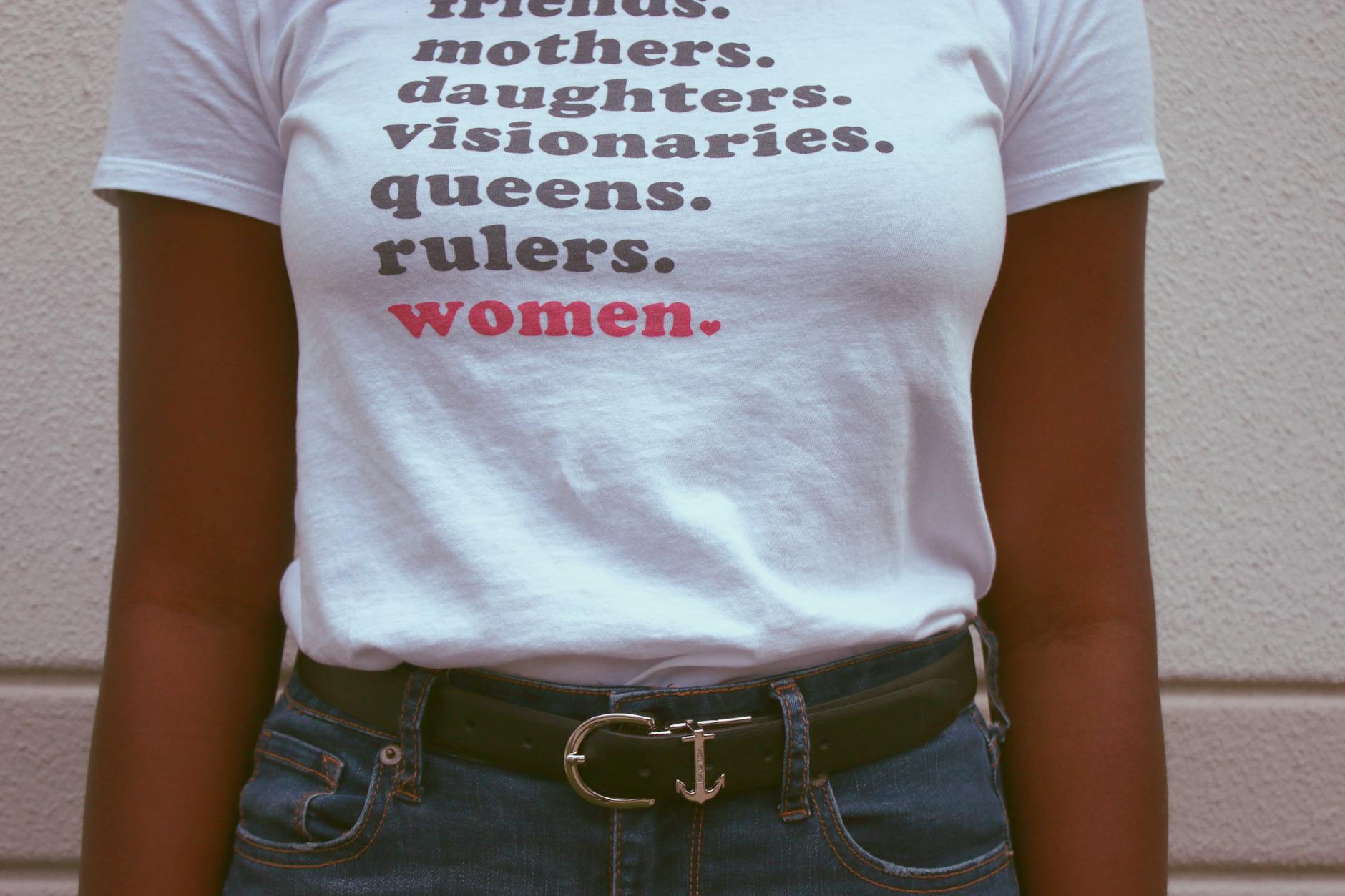
There’s a reason the humble t-shirt has remained one of the most powerful branding tools in the promotional products industry. Whether you’re a startup in Melbourne trying to make your mark, a Sydney events company kitting out staff, or a Brisbane sporting club wanting to look the part on match day, building a strong tees brand is one of the most cost-effective and enduring investments you can make. Custom t-shirts don’t just carry your logo — they carry your identity, your values, and your message out into the world. But getting it right takes more than slapping a design on a blank shirt. This guide walks you through everything you need to know to build a tees brand that genuinely works.
What Does It Mean to Build a Tees Brand?
The phrase “tees brand” means different things to different organisations. For a corporate business, it might refer to a cohesive range of branded apparel worn by staff at trade shows and expos. For a Gold Coast surf school or a Perth sporting association, it’s about creating wearable identity that people are proud to put on. For a charity or not-for-profit, custom t-shirts might be a fundraising vehicle or a way to build community recognition.
At its core, building a tees brand is about creating a deliberate, consistent, and high-quality custom apparel strategy. It’s not just about ordering a batch of shirts — it’s about understanding your audience, choosing the right garment, selecting the right decoration method, and making sure the finished product reflects who you are.
Key Elements of a Strong Custom T-Shirt Brand
Before you even open a quote, it’s worth thinking through a few foundational questions:
- Who is wearing the shirt? Staff, customers, event attendees, supporters?
- Where will it be worn? A trade show floor, a sporting event, a school fundraiser, or everyday casual wear?
- What message do you want to communicate? Professionalism, fun, community, sustainability?
- What’s your budget per unit? This will influence garment quality, decoration method, and order quantity.
Getting clear on these questions will shape every decision that follows — from the cut of the shirt to the colour of the ink.
Choosing the Right Garment for Your Tees Brand
Not all t-shirts are created equal, and garment selection is one of the most overlooked aspects of building a tees brand. The fabric, weight, fit, and construction of the shirt itself has a significant impact on how your branding is perceived.
Fabric and Weight
For corporate and professional settings, a heavier cotton or cotton-poly blend (180–220gsm) tends to communicate quality and durability. Lighter options (140–160gsm) are popular for events and giveaways where cost is a priority and longevity matters less. If sustainability is a priority for your organisation — and increasingly, it is for many Australian businesses and councils — consider shirts made from organic cotton, recycled PET fibres, or GOTS-certified materials.
Fit and Cut
The days of one-size-fits-all branded apparel are well behind us. Today, quality tees brands offer a range of fits including classic unisex, slim-fit, women’s-specific cuts, and youth sizing. For workplaces in particular, offering a proper range of fits shows respect for your team and ensures the garment is actually worn rather than stuffed in a drawer.
Colour Selection
Colour plays a major role in brand recognition. Ideally, your t-shirt colour should align with your brand’s primary palette. If you’re ordering in bulk, PMS colour matching for your print can help ensure consistency across different batches and decoration runs. For organisations ordering regularly throughout the year, maintaining colour consistency is essential for a cohesive tees brand.
Decoration Methods: Making Your Logo Shine
Once you’ve chosen your garment, the decoration method determines how your branding actually looks on the shirt. Each method has its strengths, and the right choice depends on your design, order quantity, and intended use.
Screen Printing
Screen printing is the industry standard for custom t-shirts in Australia, particularly for bulk orders. It delivers vibrant, durable results and becomes increasingly cost-effective at higher volumes. It’s ideal for bold, graphic designs with a limited number of colours. If you’re ordering 50 or more shirts for an event, school, or corporate campaign, screen printing is almost always the go-to choice. That said, it’s worth understanding the screen printing setup costs for small business merchandise before committing to a print run, as setup fees can impact cost-per-unit on smaller quantities.
Embroidery
Embroidery adds a premium, textured finish that works particularly well for corporate uniforms, polo shirts, and workwear. It’s durable, professional, and holds up well through repeated washing — making it a popular choice for hospitality, healthcare, and trade organisations. However, it’s less suited to intricate designs or large graphic prints.
Heat Transfer and DTG (Direct-to-Garment)
Heat transfer and DTG printing are excellent options for short runs, full-colour photographic designs, or custom individual names and numbers. These methods allow for greater design complexity and are popular for school sports teams, personalised event merchandise, and smaller campaigns where no minimum order quantities are a priority.
Sublimation
Sublimation works best on polyester fabrics and delivers edge-to-edge, all-over print coverage. It’s a popular option for sports teams, event staff uniforms, and performance activewear where full-colour, high-impact visuals are the priority.
Building Consistency Across Your Merch Range
A strong tees brand rarely exists in isolation. The most effective branded merchandise strategies extend your t-shirt branding across a complementary range of products, creating a cohesive brand experience. For example, a Sunshine Coast business running a local awareness campaign might pair custom t-shirts with branded merchandise for local businesses on the Sunshine Coast, including caps, bags, and accessories — all in matching colours and consistent logo placement.
Similarly, if you’re organising a corporate event or conference, combining custom tees with branded tote bags or wholesale branded bags creates a professional, unified kit that attendees will remember. Carrying your branding across categories reinforces recognition and signals that your organisation takes its identity seriously.
Caps and Headwear as Companion Pieces
Custom caps are a natural companion to a strong tees brand. A trucker cap featuring the same logo and colourway as your custom shirts pulls your entire merch range together. This kind of coordinated approach is particularly effective for sporting clubs, events, and outdoor-facing businesses.
Extending into Accessories and Other Products
Once you’ve established your core apparel identity, consider how other branded products can reinforce it. Items like promotional drawstring backpacks, solar power banks, and promotional USB drives all work well alongside a tees brand strategy at conferences, expos, and staff onboarding kits. For a broader look at how promotional products drive brand awareness, the data covered in our promotional products and brand awareness overview makes a compelling case for investing across multiple touchpoints.
Practical Ordering Tips for Custom T-Shirts in Australia
Understanding the logistics of ordering custom t-shirts will save you time, money, and headaches.
Minimum Order Quantities
Most Australian suppliers apply MOQs — typically starting from 12–25 units for screen printing, though this varies by decoration method and supplier. If you need a smaller run for a pilot campaign or a one-off event, heat transfer or DTG options often accommodate lower quantities. Check out promotional products with no minimum quantity in Australia for options that suit smaller campaigns.
Turnaround Times
Standard production for custom t-shirts in Australia typically runs between 10–15 business days from artwork approval. Rush orders (5–7 days) are often available at a premium. If you’re ordering for a specific event, always build in buffer time for artwork revisions, size confirmations, and shipping — especially for interstate deliveries.
Artwork Requirements
Most suppliers require vector artwork (AI, EPS, or PDF files) for screen printing and embroidery to ensure clean, scalable results. If you only have a raster image (JPG or PNG), discuss this with your supplier early — recreation fees may apply. Getting your artwork right upfront avoids delays and unexpected costs.
Budgeting Your Order
Per-unit pricing on custom t-shirts drops significantly with volume. A run of 50 shirts might cost $18–$25 per unit, while 250+ units can bring that figure below $12–$15. Factor in setup fees, freight, and any size/colour splits when building your budget.
If you’re looking for ideas beyond apparel to round out your campaign budget, exploring options in promotional products Melbourne or checking out trends in promotional stationery can help you allocate across a broader merchandise mix.
Eco-Friendly Options for a Sustainable Tees Brand
Sustainability is no longer optional for many Australian organisations. Schools, councils, and corporates alike are increasingly prioritising eco-conscious merchandise decisions. Choosing certified organic or recycled fabric t-shirts, working with suppliers who use water-based inks, and opting for recyclable packaging are all steps toward a more responsible tees brand strategy.
If your organisation is particularly sustainability-focused, consider pairing your tees with other eco-conscious items like recycled plastic sunglasses for beach cleanup events or look into how promotional drinkware influences consumer behaviour when it comes to sustainable gifting choices.
Conclusion: Key Takeaways for Building Your Tees Brand
Building a successful tees brand in Australia is about strategy, consistency, and quality — not just price. When done well, custom t-shirts become walking billboards that generate genuine impressions and strengthen your organisation’s identity over time. Here’s a summary of what to keep in mind:
- Start with purpose: Define who will wear the shirt, where, and what message you want to communicate before making any product decisions.
- Invest in the right garment: Fabric weight, fit, and material quality all affect how your brand is perceived — don’t let a poor-quality blank undermine a great design.
- Choose your decoration method wisely: Screen printing suits bulk, bold designs; embroidery signals premium quality; DTG and heat transfer offer flexibility for short runs and complex artwork.
- Build consistency across your range: Extend your tees brand into caps, bags, and accessories to create a cohesive, recognisable merchandise identity.
- Plan logistics early: Allow sufficient lead time, prepare print-ready artwork, and understand MOQs and pricing tiers before finalising your order.
A well-executed tees brand doesn’t just look good — it builds recognition, fosters community, and delivers ongoing value long after the initial order is placed. Whether you’re ordering 25 shirts for a local charity event or 500 for a national corporate launch, the principles remain the same: know your audience, honour your brand, and choose quality that lasts.