
How to Print on Stickers for Business, Events and Branded Merchandise
Discover how to print on stickers for Australian businesses and events — tips on types, decoration methods, MOQs, budgets and best uses.

Written by
Mia Chen
Branding & Customisation
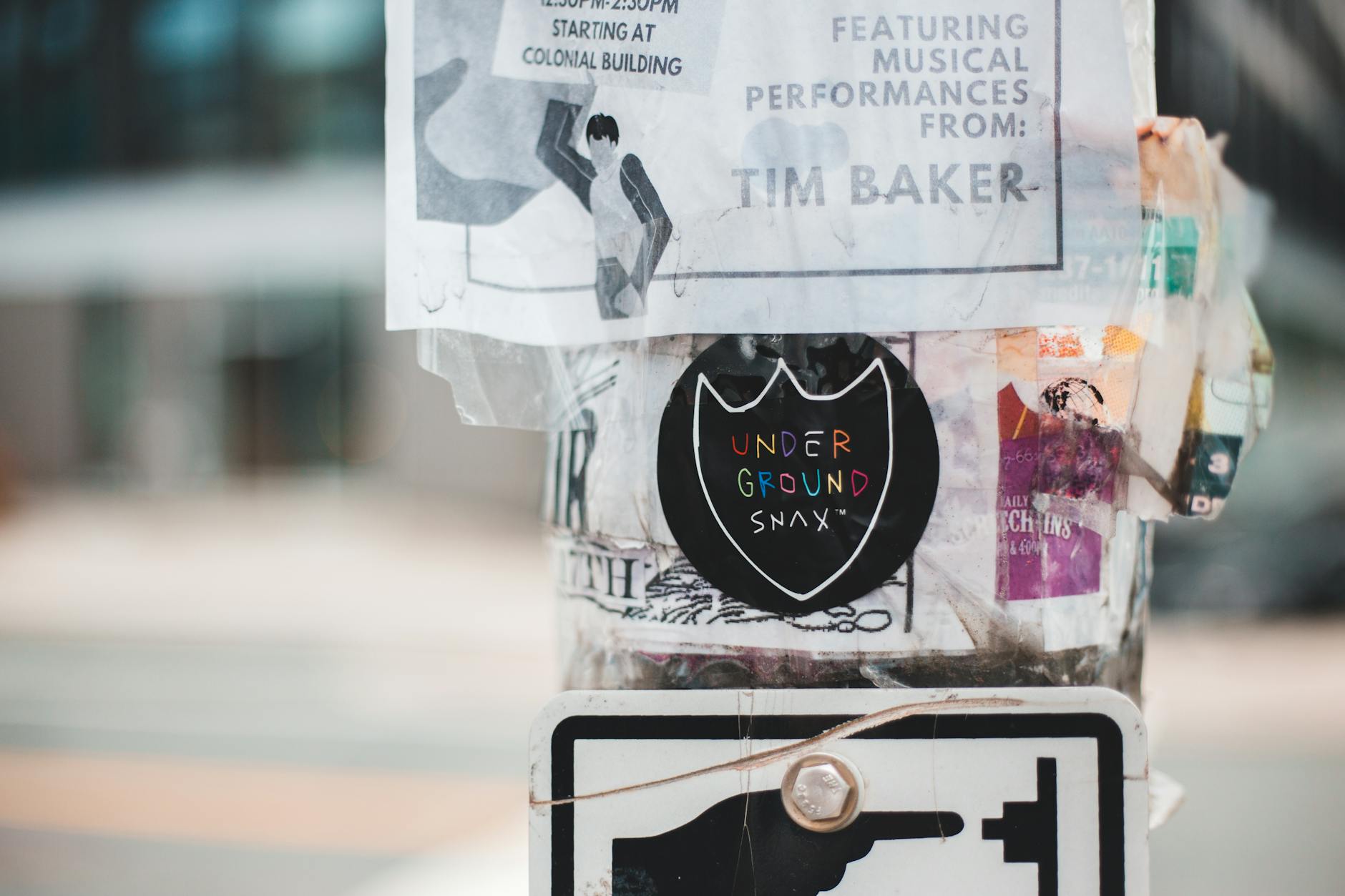
Custom stickers might seem like a small detail, but they punch well above their weight in the world of branded merchandise. Whether you’re a Sydney-based startup wanting to add personality to your packaging, a Melbourne council distributing materials at a community event, or a Brisbane school preparing for a fundraiser, the ability to print on stickers opens up a surprisingly versatile and cost-effective world of branding opportunities. In 2026, stickers remain one of the most popular and accessible promotional products available to Australian businesses and organisations — and for good reason. They’re affordable, highly customisable, lightweight to distribute, and almost universally appealing across age groups and industries. This guide breaks down everything you need to know about printing custom stickers, from choosing the right material and decoration method to managing your order and getting the best value.
Why Print on Stickers? The Case for Custom Sticker Marketing
It’s easy to overlook stickers when you’re planning a branded merchandise campaign, especially when bigger-ticket items like wholesale branded bags or promotional USB drives tend to dominate the conversation. But stickers offer something those items can’t always deliver: versatility at a fraction of the cost.
Think about the different surfaces a sticker can live on — laptops, drink bottles, helmets, toolboxes, car bumpers, notebooks, product packaging, and event signage. Every time someone applies your sticker, they’re essentially turning that surface into a micro-billboard for your brand. Unlike a branded pen that gets tucked in a drawer, a well-designed sticker is often displayed with pride.
For events, stickers work brilliantly as giveaways, name badge labels, product identifiers, or packaging enhancements. For businesses, they’re ideal for branding retail packaging, sealing thank-you envelopes, or creating cohesive unboxing experiences. For schools and not-for-profits, custom stickers can serve as rewards, fundraising items, or awareness tools.
And from a budget perspective, few promotional items come close to the cost-per-impression value that stickers deliver — especially when ordered in volume.
Understanding Your Options: Types of Stickers You Can Print
Before you dive into placing an order, it helps to understand the main types of stickers available. The right choice will depend on where the sticker will be applied, how long it needs to last, and what finish best suits your brand aesthetic.
Vinyl Stickers
Vinyl is the go-to material for durable, outdoor-friendly stickers. It’s waterproof, UV-resistant, and holds up well on surfaces that cop a bit of wear — think car windows, water bottles, and helmets. Vinyl stickers are available in gloss or matte finishes and can be printed in full colour using digital printing. If longevity is a priority, vinyl is usually the right call.
Paper Stickers
Paper stickers are the most affordable option and are ideal for indoor use — think product labels, packaging seals, or event stickers. They’re not designed for harsh conditions or moisture exposure, but for short-term use, they’re perfectly effective and very budget-friendly. Many businesses across Adelaide and Hobart use paper stickers for seasonal promotions and retail packaging.
Clear Stickers
Printed on transparent vinyl or polyester film, clear stickers give a sleek, “no-label” look that’s popular with boutique brands and product packaging. They work especially well on glass surfaces and glossy materials.
Die-Cut Stickers
Rather than coming in standard shapes (rectangles or circles), die-cut stickers are cut to the exact shape of your artwork. They look incredibly professional and are particularly popular for logo stickers and character-based designs. The production cost is a little higher, but the visual impact is worth it.
Kiss-Cut Stickers
Kiss-cut stickers are cut through the vinyl but leave the backing intact, making them easy to peel off individually. They’re often supplied on sheets — a popular format for sticker packs, which are great for events, subscription boxes, and merchandise bundles.
Holographic and Specialty Stickers
Holographic foil stickers and other specialty finishes are increasingly popular in 2026 for premium applications — think award stickers, loyalty rewards, and high-end product packaging. They cost more to produce but create real standout on a shelf or at an event.
Decoration Methods: How Print on Stickers Actually Works
Understanding the decoration methods used to print on stickers will help you brief your supplier correctly and set realistic expectations for colour accuracy and finish quality.
Digital Printing
Digital printing is by far the most common method for custom stickers in Australia. It uses CMYK inkjet or laser printing to produce full-colour designs with excellent detail. It’s cost-effective for short runs and doesn’t require costly setup fees like traditional methods. Most sticker orders — from 50 units to 50,000 — are handled digitally.
If you’re comparing printing methods more broadly, it’s worth reading our guide to screen printing setup costs for small business merchandise to understand when other methods might be more economical.
Screen Printing
Screen printing can be used for certain sticker types, particularly when spot-colour accuracy and high-volume runs are priorities. It’s well-suited to simple, bold designs and produces a rich, opaque finish. For businesses with strict brand guidelines requiring PMS colour matching — common in government departments and corporate organisations — screen-printed stickers can deliver superior consistency.
Our article on pad printing on custom pens in Australia provides useful context on how spot-colour decoration differs from full-colour digital printing, which applies to sticker production as well.
Offset Printing
For very large runs of paper stickers (such as product labels in the thousands), offset printing becomes economical and offers exceptional colour consistency. It’s common in food packaging and retail labelling rather than promotional merchandise, but worth knowing about for scale.
Key Considerations When Ordering Custom Stickers
Getting the most out of your sticker order comes down to preparation. Here’s what to think through before you brief a supplier.
Artwork Requirements
Custom sticker printing requires vector artwork (AI, EPS, or high-resolution PDF) for best results. Raster images like JPGs can work for digital printing but must be at least 300 DPI at the final print size. Poorly prepared artwork is the number one cause of delays and disappointing results, so investing a little time in getting your files right upfront saves headaches later.
Minimum Order Quantities
MOQs for stickers vary widely depending on the type and method. Digital stickers on small runs can sometimes start from as few as 10–25 units, making them accessible for small businesses and sole traders. For specialty finishes or screen-printed stickers, MOQs typically start at 100–500 units. If you’re exploring promotional products with no minimum quantity in Australia, stickers are often among the most flexible options.
Turnaround Times
Standard turnaround for custom digital stickers in Australia is typically 5–10 business days after proof approval. Rush options are sometimes available at an additional cost. If you’re ordering for an event, build in at least two weeks of buffer to allow for proof review and shipping — this is especially important if you’re in a regional area or ordering from interstate.
Budget Planning
Simple digital stickers on paper or vinyl typically range from $0.20 to $1.50 per unit depending on size, quantity, and finish. Die-cut and holographic options sit at the higher end. When comparing costs, factor in setup fees (if applicable), artwork costs, and freight — all of which affect your total spend.
Creative Ways to Use Custom Stickers for Your Brand
Once you have your stickers in hand, the application possibilities are broad. Here are some practical scenarios where custom sticker printing delivers real impact.
Product packaging and branding: Perth-based e-commerce businesses often use branded stickers to seal mailer boxes and add personality to their packaging without expensive custom printing on the box itself.
Events and conferences: Stickers make excellent lanyards companions, name badge additions, and giveaway items at trade shows and expos. Pair them with other merchandise — such as items covered in our promotional stationery trends guide for Australia — for a cohesive event pack.
Community and awareness campaigns: Charities and not-for-profits use custom stickers during campaigns like National Reconciliation Week events to share their message affordably across large audiences.
Real estate and corporate gifting: A Gold Coast real estate agency might include a branded sticker with a settlement gift — complementing items like promotional plant pots for settlement gifts — to reinforce brand recall long after the transaction is complete.
School and education: Stickers are a perennial favourite in schools as rewards, fundraising items, and event identifiers. They pair well with other accessible merchandise discussed in our guide to promotional products in Melbourne and similar local buying guides.
Retail and hospitality: Cafés and food businesses across Darwin and Cairns use custom stickers on takeaway cups, packaging, and menus to build brand recognition in a tactile, cost-effective way — tying neatly into the broader world of promotional drinkware and consumer behaviour.
If you’re pulling together a broader branded merchandise strategy, it’s also worth looking at how stickers complement other items like personalised tea towels, personalised stubby holders with photo printing, and promotional cosmetic bags for gift sets and event merchandise bundles.
Finding the Right Supplier to Print on Stickers in Australia
Choosing the right printing partner matters more than people realise. Look for suppliers with:
- Clear examples of previous sticker work (ask for a sample pack if possible)
- Transparent pricing with no hidden setup fees
- Online proofing tools or quick turnaround on digital proofs
- Australian-based customer service for easy communication
- Strong reviews from businesses similar to yours
If you prefer to work locally, our article on finding a printing store near you can help you weigh up local versus online suppliers. For businesses on the Sunshine Coast, our guide to Sunshine Coast branded merchandise includes practical tips on sourcing merchandise locally.
Understanding the broader landscape of how promotional products build brand awareness will also help you position your sticker investment within a wider marketing strategy.
Conclusion: Key Takeaways for Printing Custom Stickers in Australia
When it comes to affordable, flexible, and highly visible branded merchandise, the ability to print on stickers is one of the smartest tools in your marketing toolkit. Whether you’re a small business in Adelaide, a conference organiser in Canberra, or a sporting club in Brisbane, custom stickers offer genuine brand value at a price point almost any organisation can work with.
Key takeaways:
- Choose the right material for the application — vinyl for durability and outdoor use, paper for indoor or short-term needs, clear film for a premium no-label look.
- Prepare your artwork correctly — vector files or high-resolution raster images at 300 DPI will ensure clean, professional results.
- Understand your MOQs and lead times — digital printing offers the most flexibility for small runs, while screen printing suits high-volume, spot-colour work.
- Think beyond the obvious — stickers work as packaging seals, event giveaways, corporate gift additions, awareness campaign tools, and retail branding assets.
- Factor in the full cost — compare price per unit, setup fees, artwork costs, and freight when budgeting your order to avoid surprises.